If you're reading this, there's a decent chance you've already sat at a kitchen table where nobody finished their coffee. Maybe the farm is being split between siblings after a parent's death. Maybe it's being sold, or one spouse wants out. Whichever it is, the legal steps are well documented elsewhere, and a lawyer is the right person to ask about them. This post is about the part nobody hands you a checklist for: what it feels like.
The first meeting is quieter than you expect
People often brace for shouting. What usually happens instead is politeness, which can be harder to sit through. Everyone says "I just want what's fair" in the same careful voice, and everyone means something slightly different by it. One person means the house. One means the back forty. One means that the years they stayed and worked should count for something.
You may notice that people who have talked easily for decades suddenly speak in full, correct sentences. A brother who has called you "Sis" since you were six starts using your first name. That formality is a kind of armor, and it's worth recognizing in yourself too.
Your home becomes an "asset"
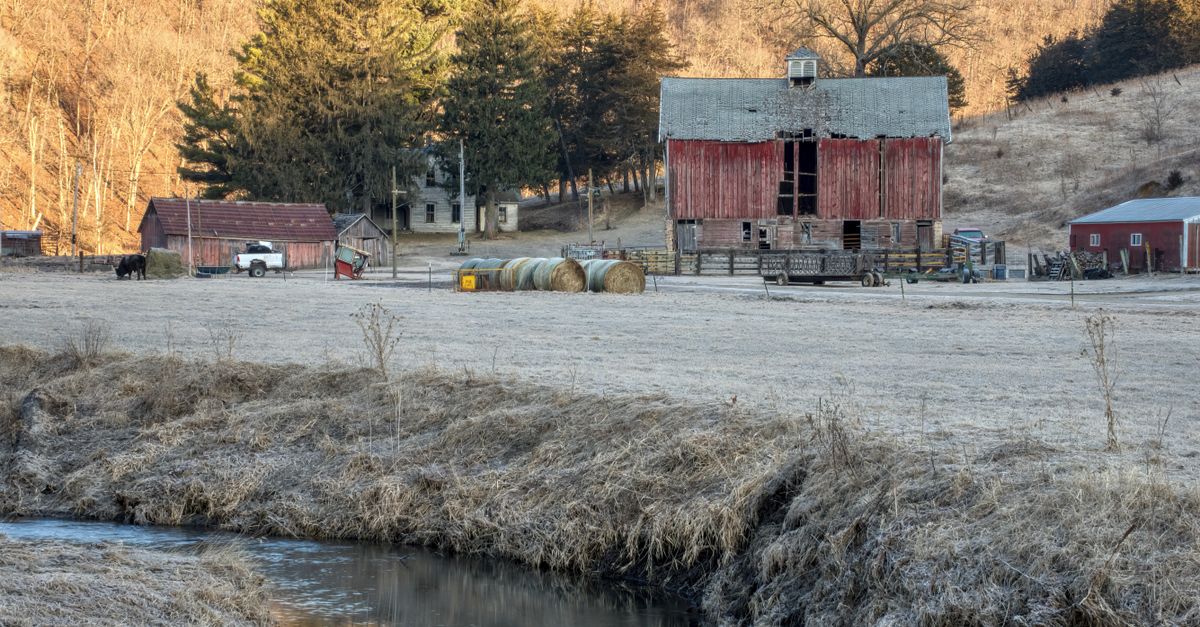
The strangest moment for many people comes when someone says the word "asset" about a place with a height chart penciled inside the pantry door. The barn where you learned to drive a truck becomes "improvements." The orchard your grandmother pruned becomes "acreage, tillable" or "acreage, non-tillable."
An appraiser walks your land with a clipboard, kind enough, perhaps, and utterly unsentimental. He isn't being cold. He has a job, and the number he writes down cannot hold any of what you know about the place: which field floods in April, which gate sticks, where the dog is buried. You may feel a flash of anger at him. Let it pass, and don't aim it at the people at the table.
The conference room
Lawyers' conference rooms are built to be neutral, and that's exactly what makes them feel so odd. A long table. A pitcher of water nobody touches. A box of tissues placed, you realize, on purpose. The room smells of carpet and toner, a long way from the smell of cut hay and diesel and woodsmoke you've carried around your whole life.

Then comes the weight. You sit there with your great-grandfather's homestead filing somewhere in the back of your mind, and a stack of papers in front of you that ends it, or changes it, in an hour and a half. Several generations are in that room, even though only four or five people are. Most people describe feeling very tired and very alert at once.
A few things tend to happen in these rooms:
- Someone brings a folder far thicker than anyone expected, and the mood shifts.
- Someone goes silent and stays silent, and the silence says more than the arguing would have.
- A small object gets a long, odd argument, like a cast-iron skillet or a pocketknife, while the land itself is settled in ten minutes.
- Somebody steps out "to take a call" and stands in the parking lot looking at the sky.
What's usually underneath
Farm divisions seldom run on money alone. Underneath the acreage there's often an old question: who stayed, and who left? The child who stayed worked for little pay and sometimes feels the land is owed to them. The children who left built lives elsewhere and sometimes feel they were never offered a real choice. Both can be right, which is why it hurts.
Then there are the things people haven't said out loud for years: a promise a parent made over supper, a loan that was never written down, a decision made in a hospital hallway. These come up sideways, in remarks about "the way things were handled." If you hear one, you don't have to answer it right then. You can write it down and think it over on the drive home.
Secrets, and the kind of fear that comes with them
Sometimes a family farm division involves more than grief and hurt feelings. Sometimes one person is quietly working an angle, and the rest of the family senses it before they can prove it. Fiction has always loved this territory, and it's one reason people keep reading about it. Jane Smiley's novel *A Thousand Acres* turns a father's decision to divide his farm into something close to a tragedy, and it's still one of the best-known books about how land can strain a family.
On our own pages, My Husband Said He Was Too Sick to Keep Our Farm. At the Lawyer's Office, I Showed Everyone the $8,000 Machine He Just Bought. takes up the same moment from the point of view of a wife sitting at that long table, hearing that the farm has to go, and noticing something that doesn't fit. It's a good read if you want to see how much a person can notice while appearing to say very little. If your own situation involves siblings rather than spouses, My Brother Tried to Sell Our Ranch's Prime Riverfront to a Cash Buyer. He Forgot What Our Father Filed With the Land Trust. comes at it from that side.
Small things that help
None of this is advice about contracts. These are just things that people who've been through it tend to say they were glad of:
- Walk the land alone once before the meeting, and again after. It doesn't change the outcome, but it gives the feeling somewhere to go.
- Bring a notebook. When emotions run high, memory gets slippery, and a few plain notes protect you and everyone else.
- Decide ahead of time what one thing you'd be heartbroken to lose. It might be a tree, a table, or a field. Knowing it helps you stay calm about the rest.
- Eat something beforehand. Long meetings and empty stomachs make bad company.
- Let the quiet stretches be quiet. You don't have to fill them.
After the papers are signed
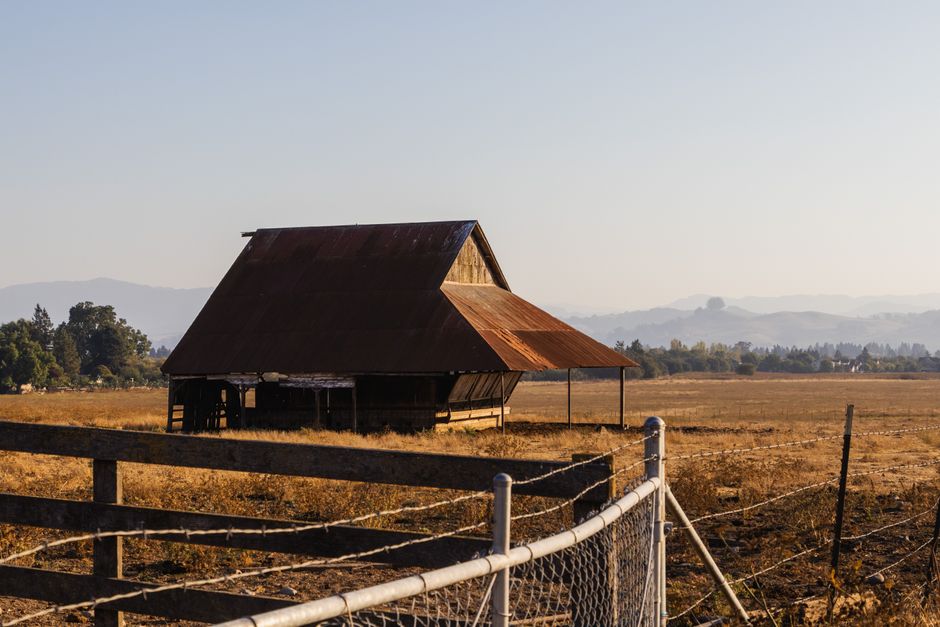
Many people say the strangest part comes later. The drive home feels longer. The farm is still there, the same fence line and the same light on the barn roof, but it belongs to the family differently now. Some people feel relief. Some feel a hollow ache that takes months to settle. Often it's both on the same afternoon, and that's normal.
If you want company in the meantime, our Family Drama and Garden & Country pages gather stories about land, inheritance and the people who love both. You can also browse every story we've published and pick one to read start to finish with a cup of tea. Sometimes it helps to watch someone else sit in that conference room, and come out the other side.