It's natural to feel a knot of worry when you realize you need to speak with a lawyer. Maybe it’s about a family matter, an estate plan, or a quiet dispute that needs careful handling. The image that often comes to mind is a grand, intimidating city office, all glass and cold steel, with a bustling reception desk and stern faces. But in a small town, your first visit to a lawyer's office is likely to be a very different experience. It's often far warmer, more personal, and perhaps, a little less overwhelming than you might imagine.
The Building and First Impressions
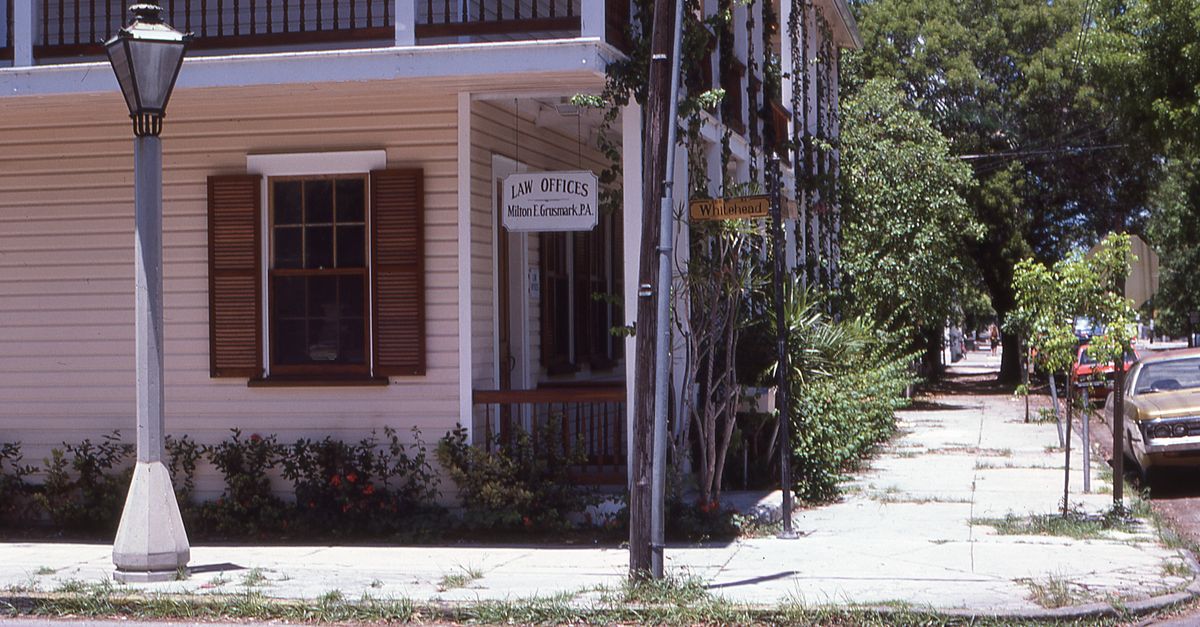
Imagine driving down Main Street. Instead of a towering high-rise, you might pull up to a charming old Victorian house, a sturdy brick building that's been part of the town fabric for generations, or even a storefront nestled between the local bakery and the hardware store. The building itself tells a story. The paint might be a little faded, the porch swing creaky, or the windows filled with healthy plants. These are places that have seen countless lives, heard countless worries, and offered countless bits of advice.
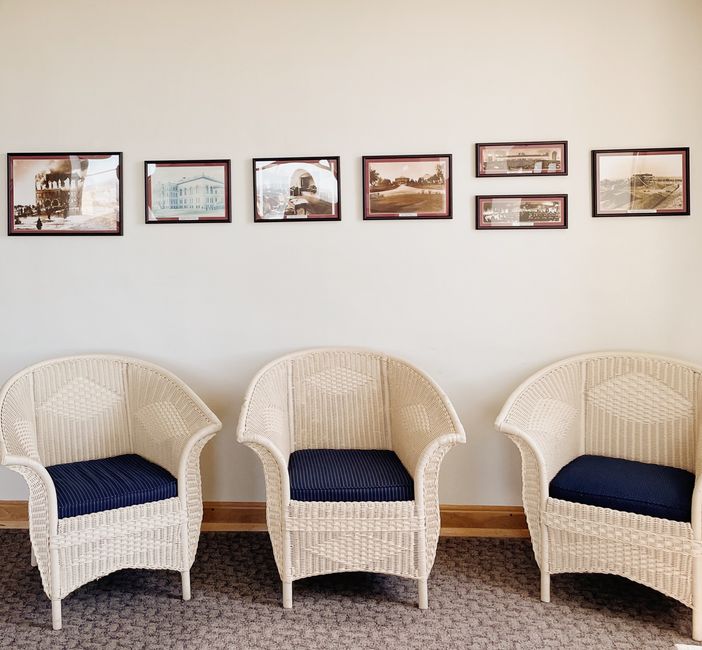
Stepping inside, you won't likely find a sleek, modern lobby. More often, it's a cozy waiting area that feels more like someone's living room. Perhaps there’s a worn armchair by a window, a stack of local newspapers on a polished wooden table, and the faint, comforting scent of old books and fresh coffee. You might hear the gentle ticking of a grandfather clock or the distant hum of conversation. This isn't just an office; it’s a space with history, a place where people come with their most sensitive concerns, and the atmosphere often reflects that sense of trust and continuity.
Meeting Your Lawyer
When you're called in, don't be surprised if your lawyer comes out to greet you personally, perhaps offering a firm handshake and a warm smile. They might even know your name already, or recognize you from the grocery store or a community event. Small towns foster these connections, and a lawyer often feels like a trusted neighbor, not a distant professional.
The first few minutes of your meeting might not even be about your legal issue. It’s common for the conversation to start with a friendly chat about the weather, how the local high school team is doing, or a recent town gathering. This isn't time wasted; it's part of the small-town rhythm, a way to put you at ease and build a bridge before diving into sensitive topics. They might offer you a cup of coffee or tea, not just out of politeness, but because it’s how things are done here, making the space feel less like a formal institution and more like a trusted confidante's parlor.
This personal touch means your lawyer probably understands the dynamics of your community, too. They know the families, the long-standing feuds, and the quiet reputations. This background knowledge can be incredibly valuable, informing their advice in ways a city lawyer, unfamiliar with the local landscape, simply couldn't. For instance, if you're like the woman in the story, "Dad's not safe on his own anymore," my son told me. I asked our old foreman to join us at the lawyer's office., facing a difficult family decision about an aging parent's care, a small-town lawyer will understand the layers of history and emotion involved, not just the legal statutes. They understand that these aren't just legal problems; they're *life* problems that need a sensitive, human touch.
Getting Down to Business
Once you’ve settled in and the small talk has cleared the air, the conversation will gently shift to the reason for your visit. You'll likely find your small-town lawyer to be a careful listener, taking notes by hand, maintaining eye contact, and giving you their full attention. They're not rushing off to another high-stakes meeting; they're focused on *your* story.
They'll explain legal terms in plain language, avoiding jargon that can make you feel lost or out of your depth. You’ll have plenty of opportunity to ask questions, and you’ll likely find their answers to be thoughtful and thorough, grounded in both legal knowledge and a practical understanding of how things work in your community. You might feel a sense of relief, knowing that you're in the hands of someone who genuinely cares about your well-being, not just the details of your case.
What to Bring (And What Not to Worry About)
When preparing for your first meeting, gather any documents that relate to your situation: letters, agreements, financial statements, or even just notes you've made to yourself. Don’t worry about organizing them perfectly; your lawyer can help sort through everything.
It’s also a good idea to write down a few key points or questions you want to cover. This isn’t a test; it’s just a way to ensure you don’t forget anything important once the conversation starts flowing. Most importantly, bring an open mind and be prepared to share your story honestly. Small-town lawyers value trust and discretion above all else.
You don't need to worry about dressing up in your Sunday best, either. While neat and respectful attire is always a good idea, a small-town lawyer cares more about your peace of mind than your outfit. They'll appreciate that you've come to them for help, and their focus will be on offering you the best advice possible.
A visit to a small-town lawyer isn't just about legal advice; it's often about finding a quiet port in a storm. It’s about trust, understanding, and the reassuring presence of someone who lives in your community and cares about its people. You might walk in feeling a bit anxious, but chances are, you'll leave feeling heard, understood, and a good deal more at ease.