You sign the paperwork, you pay your fifteen dollars, and you get a plot number. That's the easy part. What nobody hands you is a map of the people.
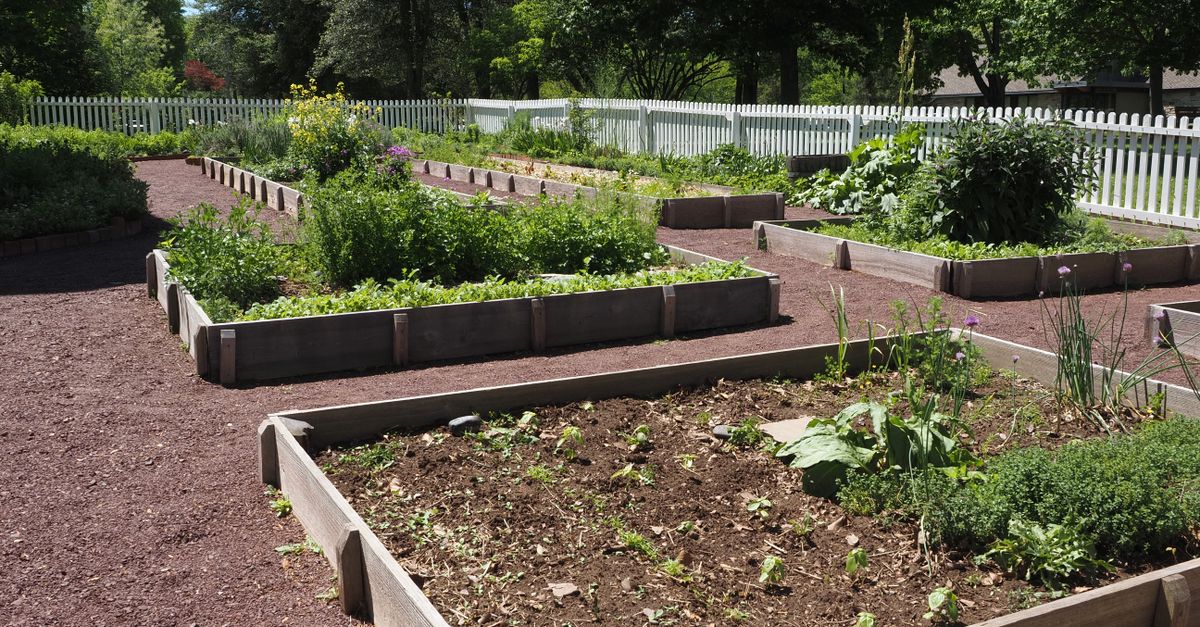
A community garden in its second or third decade is less a garden than a small town with tomato stakes. It has elders, factions, a compost pile with politics, and a water bill everyone argues about in June. Understanding that before your first spring makes the difference between a plot you love and a plot you quietly abandon by August.
The Tool Shed Has a Memory
Every shed has a system, and it was worked out long before you arrived. Sometimes it's a clipboard. Sometimes it's a coffee can of popsicle sticks. Sometimes it's just Marge, who knows.
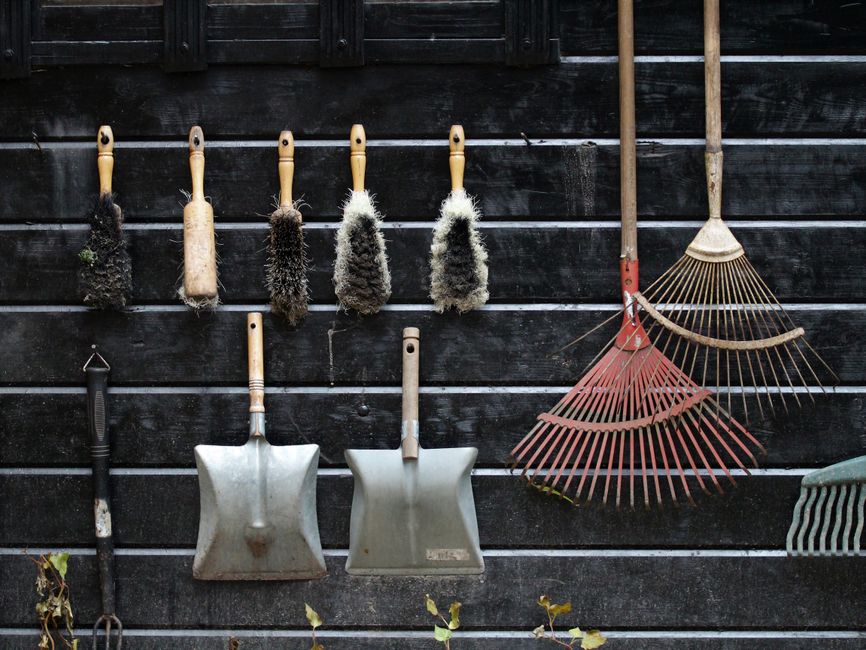
Here's how to survive it. Return the spade cleaner than you found it, even if you only turned three rows. Hang the hose back on the same nail. If you borrow the wheelbarrow, don't leave it loaded with your own weeds overnight. Nobody will say anything the first time. They will say plenty the fifth.
Bring one thing of your own that's genuinely useful and share it freely — a good pair of pruners, a roll of twine, a bucket of your extra basil seedlings in May. That's the currency here. Not money. Usefulness, offered without being asked.
Learning Your Plot Neighbors
The plots on either side of you matter more than the ones across the path. Those are the people who will notice your tomatoes need water while you're at your sister's for a week. They're also the people whose squash will absolutely cross the boundary by July, because squash always does.
Introduce yourself in the first week. Not with a speech — just a name, a wave, and one honest sentence about being new. Ask what they're growing. Ask how long they've had their plot. You will learn more in that ten minutes than in a season of guessing.
Then pay attention to the small rituals. Some gardeners arrive at six in the morning and are gone by eight, and they do not want conversation at six in the morning. Some come at dusk specifically to talk. Figure out which one your neighbor is before you launch into a story about your daughter's wedding.
And accept that advice will come whether you want it or not. Take it graciously even when you ignore it. The person telling you your beans are too close together has probably been right about that for thirty years.
The Season Has a Rhythm
Spring is paperwork and optimism. The beds get turned, everyone's friendly, the seed swap in March is the social event of the year. You will overplant. Everyone overplants.
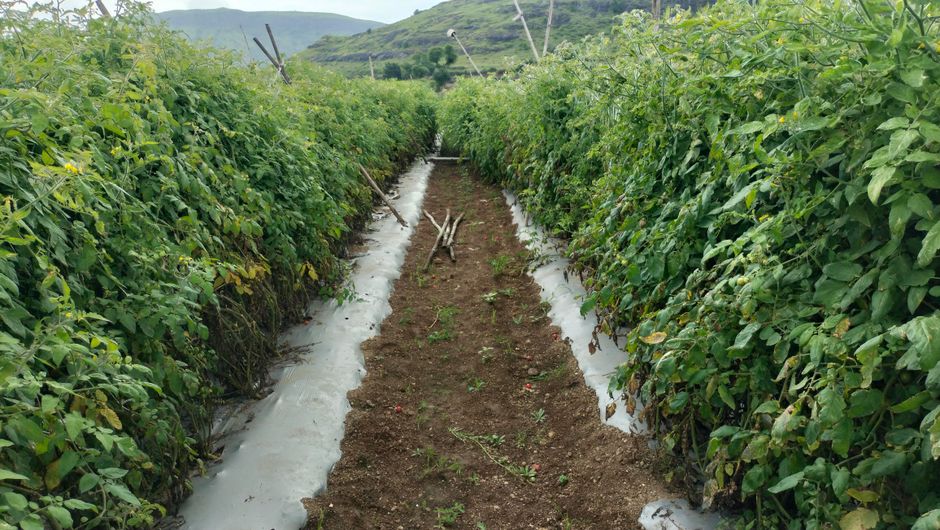
Early summer is maintenance and quiet competition. The mulch goes down. Somebody's peas are always three inches taller than yours. This is when you learn who the serious people are, and it's almost never who you'd guess from the spring meeting.
Midsummer is the real test. Weeds win if you skip a week. The water schedule gets tense, because the spigot can only serve so many hoses at once. This is when the true character of a garden shows up — who waters a sick neighbor's plot without being asked, and who quietly edges their row marker six inches into the path.
Late summer is abundance and mild resentment, because everyone has too many zucchini and nobody wants yours.
Fall is cleanup, garlic planting, and the closing workday where everyone shows up, works hard, eats chili, and forgives each other.
The Unwritten Rules Nobody Posts
- The path is not your storage. Keep your pots, your buckets, and your hose inside your plot line.
- Ask before you prune anything on the other side of the string, even a branch that's clearly hanging over.
- If you spray anything, tell your neighbors first. Some people garden organically and will take it personally, and they're not wrong to.
- Volunteer for one shared job. Compost turning, path clearing, the water line. One is enough. Zero makes you a guest.
- Complaints go to the person, not the meeting. The meeting is a last resort, and everyone remembers who brought the last resort.
When the Soil Itself Is the Problem
Most garden conflicts are small — a boundary, a hose, a borrowed trowel. But some are not, and this is the part newcomers never expect. Soil is property. Compost is property. What goes into them can be tested, logged, and used as evidence if someone decides they'd rather have your plot than share the path with you.
In "My Rival Tried to Take Our Community Garden by Poisoning the Soil. He Didn't Know I'd Been Testing the Compost for 20 Years.", a longtime gardener keeps the kind of records most people would call excessive right up until the day they matter. It's a good reminder that in a garden, the quiet person with the notebook has usually been paying attention longer than anyone realized.
What You're Really Joining
You're joining a place with weather and history and grudges, and a few people who will become genuine friends because you both showed up at seven in the morning to move a pile of wood chips.
Go to the spring meeting. Learn three names. Sign up for one workday. Bring extra seedlings. If you want more stories about gardens, small towns, and the people who keep them running, browse Garden & Country.
Your first season won't be about the tomatoes. It'll be about figuring out where you fit at the fence line. Most people do, by the second July.