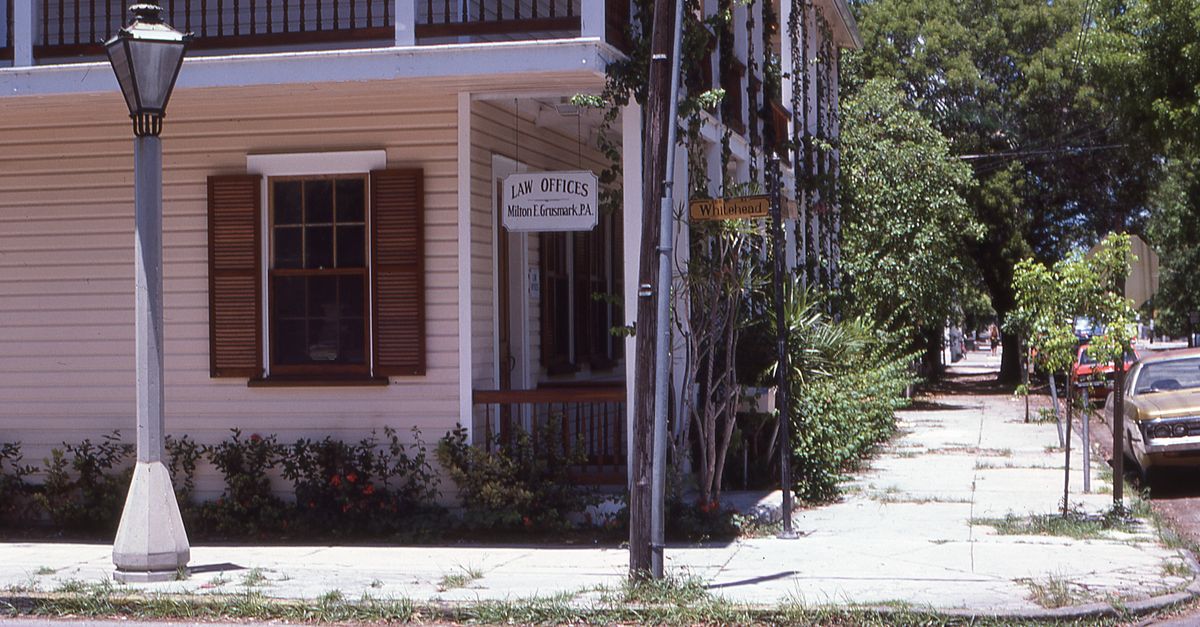
There’s a special kind of magic that happens on a Southern front porch. It’s more than just a place to sit; it’s a stage for everyday life, a classroom for quiet observation, and a cornerstone of community. For a newcomer, the rituals of a porch visit can feel as subtle as the hum of cicadas on a warm evening. But once you understand the rhythm, you’ll find it’s one of the warmest welcomes you can receive.
The Invitation: Often Unspoken
Unlike a formal dinner party, a porch visit often begins with a soft invitation. It might be a simple, "Y'all come on over sometime," or "We'll be out on the porch this evening, stop by if you're free." This isn't a strict appointment. It's an open-ended gesture, a true invitation to share time. It means the door – or at least the screen door – is open to friendship and conversation.
You generally don't need to call ahead, especially if you're a close friend or neighbor. However, for your first few visits, a quick text or call like, "We'd love to stop by for a little while, if it's a good time for y'all," is always a polite touch. It respects their plans and signals your understanding of the casual, yet respectful, nature of the visit.
When to Arrive (and When Not To)
The concept of "Southern time" is real, but it doesn't mean you should be late. It means there's a little more wiggle room around the edges. If someone says "come on over after supper," that means anytime from about 7 PM until dark, or even a bit later in the summer. You wouldn't want to show up exactly at 5 PM if they’re still cooking, or after 9 PM unless specifically invited for a late chat.
Never show up *too* early, before the host has had a chance to tidy up or finish their own meal. And definitely don't arrive without any notice if you’re not a very close, long-standing friend. The charm of the porch is its relaxed pace, not an ambush.
What to Bring: A Thoughtful Gesture
While a true Southern host will insist you bring nothing at all, a small, thoughtful offering is always appreciated. This isn't about being fancy; it's about showing you care.

Consider these ideas:
- A plate of homemade cookies or a pie. My grandmother often brought her lemon meringue.
- A small bouquet of flowers from your garden.
- A bag of local peaches or pecans, if they're in season.
- If you know your host enjoys a particular soft drink or snack, that's a nice touch too.
Often, sweet tea and maybe some sliced lemons will be waiting for you. Accepting a glass is part of the ritual. It’s a symbol of hospitality, and refusing it can sometimes feel a bit like refusing their kindness.
The Gentle Art of Porch Conversation
This is where the magic truly happens. Porch conversations are slow-paced and meandering. They often move like a lazy river, drifting from one pleasant topic to the next without a hard agenda.
- Start with the pleasantries: "How's your garden doing?" "Heard the weather's going to clear up." "That azalea bush is just stunning."
- Family talk is common: Gentle updates about children, grandchildren, or distant cousins are welcomed. You might share a funny anecdote about your grandson.
- Local news: Who caught the biggest fish, the new pie at the bakery, or a community event.
- Avoid anything too heavy: Politics, religion, or deeply personal problems are usually saved for more private settings. The porch is for connection, not confrontation.
- Listen more than you speak: This is key. A good porch conversationalist lets others share, asks gentle follow-up questions, and enjoys the quiet spaces between words. You might learn a lot about people just by listening to the small details in their stories, or how they speak about others.
- Observe: Sometimes, the most important things are not said directly. You might notice a host’s subtle pride when talking about a certain child, or a quick glance that signals an unspoken concern. These observations can reveal a lot about family dynamics, much like the careful observations made by the main character in My Son Warned Me My New Boyfriend Was Hiding His Past. At My Grandson's Birthday Party, I Showed Him What Real Love Costs., where understanding true character takes more than just surface appearances.
Knowing When It's Time to Go
This is probably the trickiest "unwritten rule." A good host would never directly hint that it's time for you to leave. Instead, you look for subtle cues:
- The host might give a soft yawn and stretch, perhaps mentioning that it’s been a long day.
- They might stand up and stretch, or casually start clearing a few empty glasses.
- The conversation might naturally wind down, with longer silences.
- The light might be fading, and the cicadas are singing their loudest.
A polite porch visitor doesn’t "wear out their welcome." It's better to leave a little earlier, making your hosts wish you could stay longer, than to linger too long. An hour or two is often a perfect length for a casual evening visit.
The Lingering Farewell
Just as the arrival is soft, so is the departure. It’s rarely a quick "bye." You’ll stand up, thank them warmly for their hospitality, and begin the series of "goodbyes."
- "Well, we should get on home. Thank you for having us."
- "It was so good to see y'all. Come over to our place soon."
- "Drive safe now!"
- "Y'all come back now, you hear?"
You might spend another five to ten minutes in this gentle back-and-forth, perhaps even lingering at the car for a final word or two. It’s all part of the unhurried grace of Southern hospitality, ensuring that the warmth of the visit extends right up until you’re out of sight.
A Southern porch visit is a gift of time and connection, built on respect, warmth, and a little bit of quiet understanding. Embrace its rhythm, and you’ll find a genuine welcome that’s as comforting as a tall glass of sweet tea on a summer evening.