Saturday starts at 7:40 in this town, whether you meant it to or not. The market bell doesn't ring until eight, but the lot behind the co-op is three-quarters full by quarter to, and the people circling it have the calm, patient look of folks who know exactly which space is about to open up.
If you're new to the routine, here's the shape of the morning.
Arrive Before Eight, or Arrive at Ten
There are two good windows and not much in between. Before eight you get the parking space, the first look at the pastry table, and a chance to talk to a grower who isn't hoarse yet. Between nine and ten the aisles turn into a slow river of strollers, leashed dogs, and people stopping dead in the walkway to answer a text. If you miss the early window, come at ten-thirty, when the first wave has gone home and vendors are ready to visit again.
Coffee First, Then the Loop
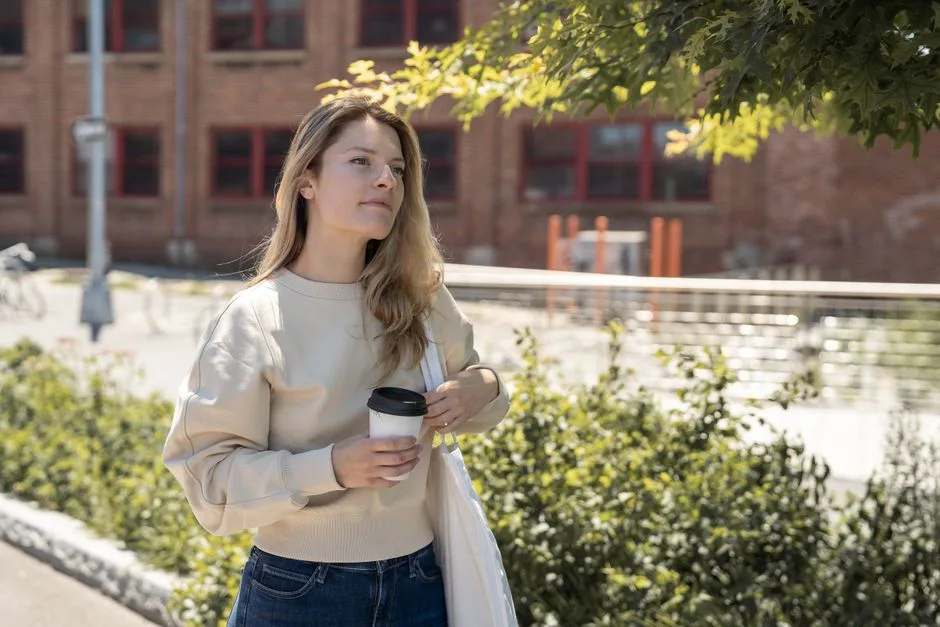
The espresso cart sits by the south gate. Order the small. You'll be holding it for an hour while you carry a tote, and a big cup in a cold hand gets sloshy fast.
Then walk the whole market once before you buy anything. This is the single most useful habit a local can have. One lap, north aisle down and south aisle back, just looking. You'll learn what's actually peaking that week instead of what you hoped would be. You'll see which table has a line worth joining and which one has a line only because it's the first table. You'll also spot the friend you meant to call three weeks ago and can now greet in person.
Your Bag, Your Hands
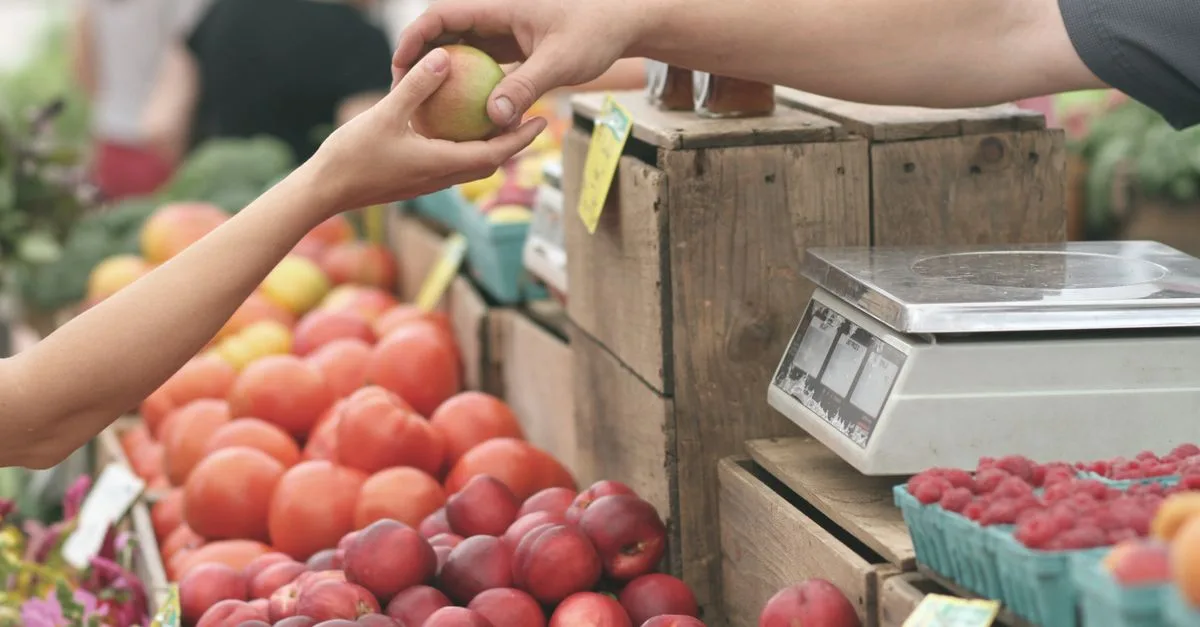
Tote with wide straps, worn crossbody if you can manage it. Both hands free is the goal, because you'll need one for the coffee and one for a wallet, and you'll need somewhere to put a pint of raspberries before you've decided whether you're buying raspberries.
Leave the wheeled cart home unless you're shopping for six. Those wheels find every ankle in a nine-foot aisle.
Bring a few small bills, too. Most vendors take cards now, but cash moves faster at the peak of the rush, and a five is easier at a table with twelve people behind you.
Talking to the People You See Every Week
Vendor etiquette is neighbor etiquette with a table between you.
Say your name once. "I'm Dana, I'm the one who always buys the sourdough." Next week they'll remember. The week after that, one will be set aside for you.
Ask one real question instead of three polite ones. Not "how's business" — ask what came in this morning, or which variety they'd choose for a pie. Growers light up at that. They've been standing since five.
Don't squeeze the fruit. Don't photograph a table without asking. Don't count your change at the front of the line; step to the side. And if a vendor says they're sold out, don't ask whether there's more in the back. There is no back. There is a truck.
Where to Stand If You Want the News
The bench by the fountain is fine, but the better spot is the corner between the knife-sharpening tent and the flower buckets. That corner is the market's unofficial news desk. Stand there twenty minutes with your coffee and you'll hear about the bridge work on Mill Road, the school fundraiser, whose dog got out again, and which restaurant on Main is hiring.
You don't have to join in. Regulars are used to the quiet types who listen and nod. It's a market, not a party.
What's Good, Week by Week
The tables follow a short, intense Northwest summer. Strawberries show up in June with the peas. Raspberries and cherries arrive in early July. Blueberries and blackberries carry you through August, and the tomatoes finally taste like something in the last two weeks of that month. After Labor Day it's apples, squash, and the first pumpkins.
Winter is roots, greens, mushrooms — and the truffle people, who set up at the north end and draw a crowd that looks suspiciously like the same twelve faces every Saturday. Every table has a notebook behind it: orders, prices, what got set aside for whom. If you've ever wondered what those ledgers hold when the market closes and the town goes home, The Truffle Maker's Ledger lives right there, in the back of a stall where the numbers have started telling a different story than the one being told out front. It has the same feel as a Saturday morning here, only with more at stake than a pint of berries.
If you like your reading the way you like your market — warm, crowded, full of people who know each other's business — browse the Culinary & Kitchen shelf or settle into Small-Town Life for a while. Both are the right shape for a rainy afternoon.
Leaving Well
Buy one thing you didn't plan on. A jar of something, a bunch of dahlias, a loaf you'll finish before Tuesday. That's the whole point of walking there instead of driving to the store.
Say goodbye to the vendor you always buy from, even if it's just a nod and a wave. That's the part that turns a market into a habit, and a habit into the reason you know your neighbors' names.
Then go home, put the berries in the fridge, and start thinking about next Saturday.