The first thing you notice is the wind. It comes off the water with a bite the parking lot behind the grocery store didn't have, and you'll be glad you kept the jacket in the car.
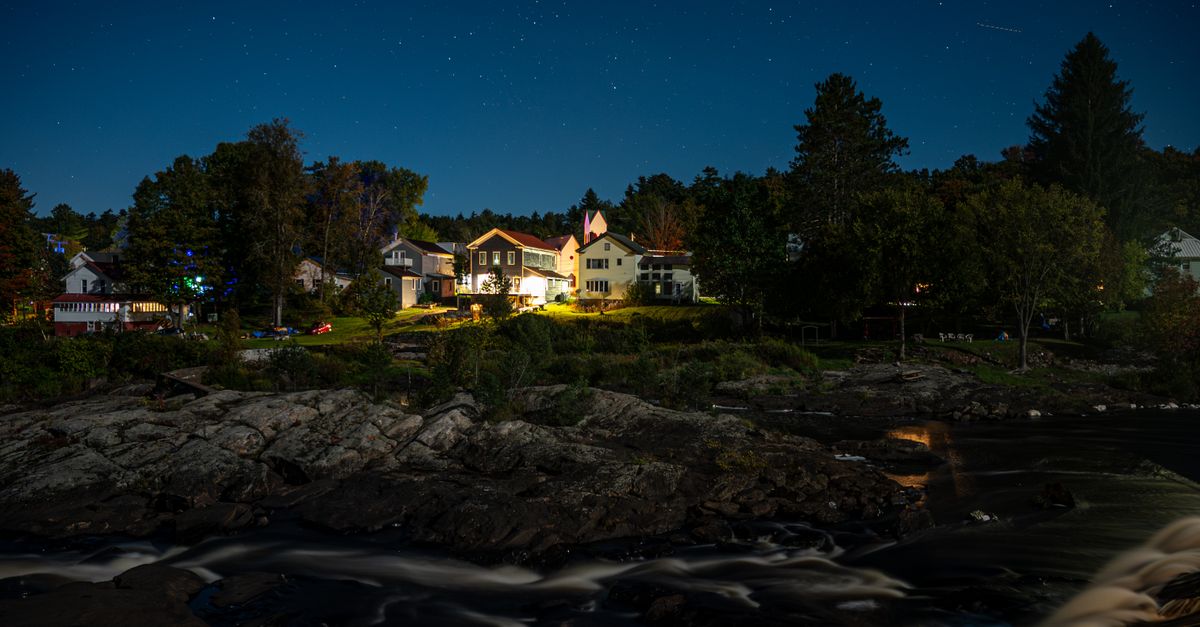
You're standing on a concrete pier in a town of about 1,400 people, holding a gas-station coffee, watching two men in clean flannel shirts coil a rope they've coiled ten thousand times. Somewhere behind you a woman in a church hat is telling somebody's grandson to stop running near the edge. This is your first Blessing of the Fleet, and nobody handed you a program.
That's normal. Here's how the day goes.
What the Day Is For
The Blessing of the Fleet happens at the start of the boating season, when a harbor asks for a safe year on the water. Commercial fishermen, charter captains, the tug crews, the Coast Guard station, and whoever else keeps a boat in a slip all bring their vessels down to be blessed. The custom reached the Great Lakes by way of fishing ports on both coasts, and small lake towns kept it because it still makes plain sense here. Somebody in your family is going out on that water in a week.
When It Happens
Usually a Sunday in late April or May, most often the weekend before the season opens. In some towns it lands on Memorial Day weekend. It isn't advertised well. Check the bulletin board outside the parish hall, the one with the yellow fundraiser flyer still pinned up from October.
The Order of Things
A service first, often at the oldest church in town, sometimes shared by a priest and a pastor. Expect hymns you half-remember and a moment of silence that runs longer than you think it will.
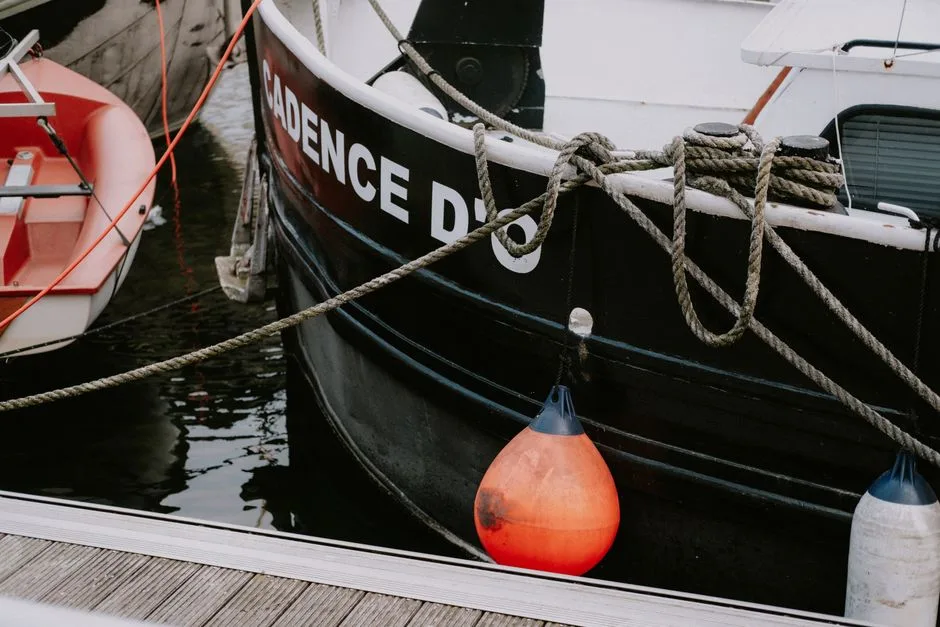
Then everyone walks to the water. It's a short walk. Nobody drives.
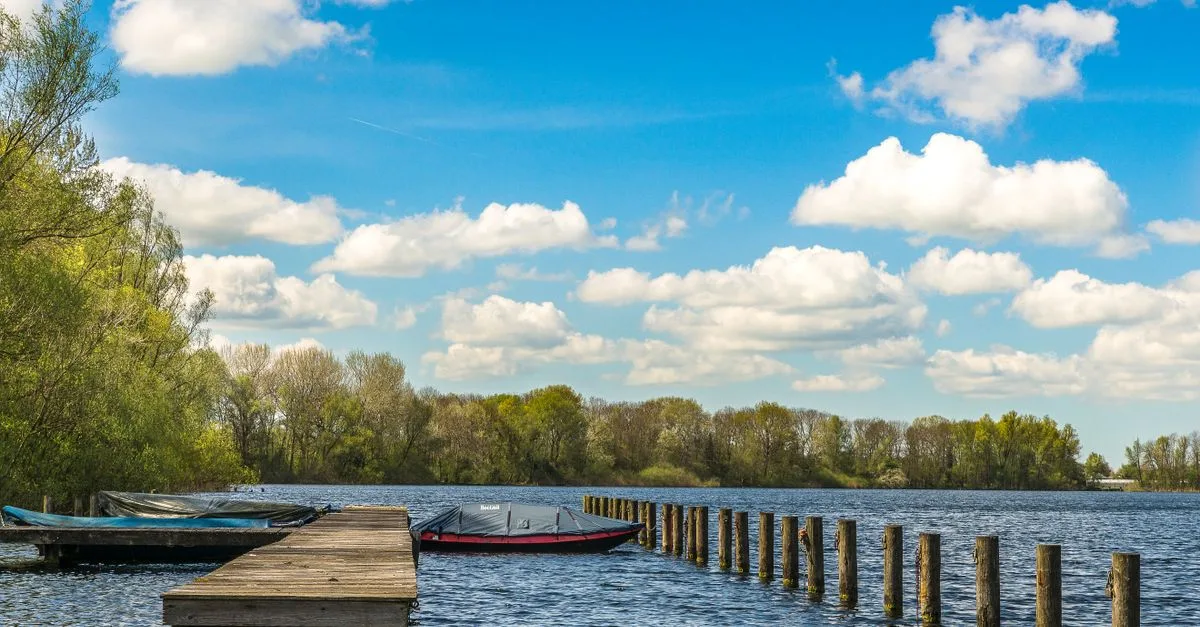
By the time you get there, the boats are already in, tied two and three deep along the wall. Charter boats, a couple of working fishing boats, the Coast Guard vessel at the end, and a few dinghies that came for the company.
The clergy walk the length of the dock and bless each boat, some with holy water, some with a cupped handful of lake water, depending on who's doing it. Boat names get read aloud. So do the names of people who didn't come home.
Then the horns. Every boat sounds at once, the Coast Guard joins in, and you feel it in your sternum before you hear it. It lasts maybe fifteen seconds. People laugh. A few people wipe their eyes. Then it's done.
Look around while it's happening. You'll see dress shoes and mud boots in the same row, neckties under canvas coats, a kid in a clip-on tie holding a coffee cup for his grandmother.
Solemn or a Party?
Both, and in that order. The dock goes quiet for the blessing, and nobody chats through it. Then the last horn fades, the crowd turns around, and the same stretch of concrete becomes a fish fry with folding tables, a raffle, and a dessert table that takes cash only. The switch happens in about ninety seconds. If you were worried about not knowing when to be serious, the horns tell you.
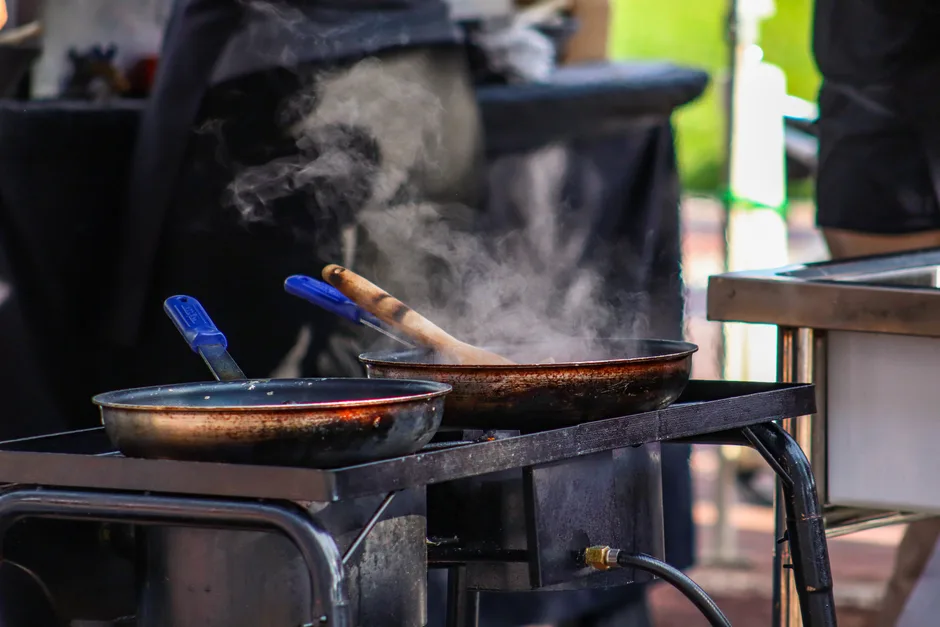
Expect cold slaw, good fried fish, and at least one conversation about the weather that runs twenty minutes and ends with somebody saying, "Well, we'll see."
Etiquette for a First-Timer
- Dress in layers. Church clothes with a work coat over them is exactly right, and it's what most people will be wearing anyway.
- Don't step on the dock lines. They're working equipment, and it's the one thing that will earn you a look.
- Don't climb aboard a boat unless you're invited, even just to admire it.
- Stand still through the reading of the names. Phone in your pocket.
- Bring cash. Nothing at the food tent takes a card.
- Bring a dish if you're somebody's guest, and offer to help stack chairs when it ends.
- Don't ask a captain how last season went unless he brings it up first.
What You'll Remember
Probably not the ceremony itself. You'll remember the wind, and the halyards ticking against the masts, and the way the whole harbor went quiet when the names were read, and the older woman beside you who recited every boat name before the priest got to it.
There's a particular feeling to a harbor on a morning like that — everyone in the same place for the same reason, hoping for the same safe season. It's the same feeling behind The Lighthouse Keeper's Diary, which rests on one steady idea: a record kept faithfully, season after season, of weather and boats and who came in late and who never came in at all.
If stories that live in towns like this one are your kind of reading, our Seaside & Coastal shelf and the Small-Town Life shelf are good places to browse. The full shelf of stories has everything else.