Your First Stay at a Classic Roadside Motel: What to Expect Beyond the "No Vacancy" Sign
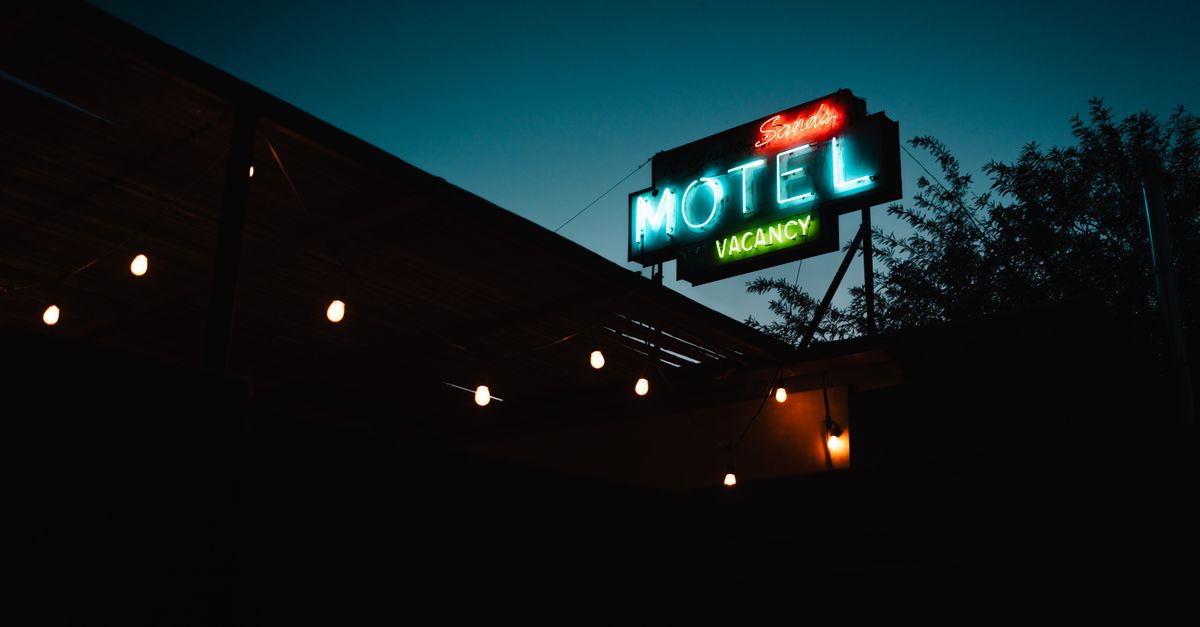
You've driven past them for years. Single-story, a row of doors facing the parking lot, a neon sign that's been humming since Eisenhower. Maybe you've booked one for the first time, or you're thinking about it. Here's what's different from the chain hotel off the interstate, and how to be a good guest once you're there.
You park in front of your own door
This is the whole point. At a motor court, you pull up, cut the engine, and your room is eight feet away. No lobby, no luggage cart, no elevator ride. You carry your bag ten steps and you're in. You can leave the cooler in the trunk and grab a soda without putting on shoes.
It also means you hear everything. Car doors at midnight. A diesel engine warming up at six. Someone's radio through the wall, faint, like a conversation happening in another room. Bring earplugs if you're a light sleeper, and don't be the person slamming a trunk at dawn.
The room is smaller, older, and honest about it
Expect a real key on a plastic tag, not a card. Expect a window air conditioner that cycles loud enough to wake you when it kicks on, and a bathroom fan that sounds like a small aircraft. The carpet has a pattern chosen in 1988. The art on the wall is probably a print of a local lake or a lighthouse.
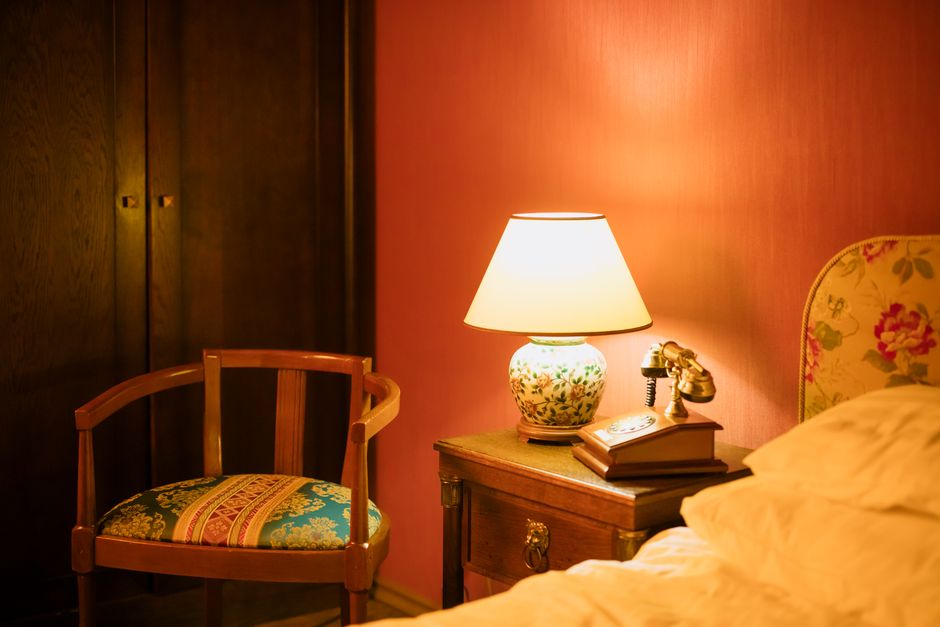
What you often get instead: a chair that's actually comfortable, a table big enough for a real breakfast, and windows that open. Many older motels have sleeper sofas or two full beds rather than one queen. If you need a mini-fridge and microwave, ask — a lot of them have both, quietly, without listing it.
The person at the desk owns the place
The owner might check you in, hand you a key, and mention that the diner two blocks up does a good meatloaf on Thursdays. That's not a script. That's the actual person who mows the lawn and knows which room has the soft water.
This cuts both ways. The place reflects somebody's standards, or the lack of them, immediately. You can usually tell within thirty seconds of the parking lot whether you're in good hands. Oddly, it also means the motel can become a small world of its own, with its own routines and its own secrets. That's the territory a story like My Sister Insisted Our Father Was Too Senile to Run His Motel lives in — a family motel, a father whose competence is suddenly in question, and accidents that turn out to have a cause. If you've ever wondered what goes on behind that office door, it's a good read.
The unwritten etiquette
A few small things go a long way:
- Park in front of your own room if you can, so the next guest gets theirs.
- Don't run the AC with the window open. The units are old and they work hard.
- If the office closes at nine, it closes at nine. Ask about late arrival when you book.
- Ice is usually a machine by the office or a chest freezer on the walkway. Fill your bucket and move on.
- Tip the housekeeper in cash, left on the dresser. Many of these are small family operations, and the person cleaning your room may be the owner's daughter.
What to bring that you wouldn't think to bring
A power strip — outlets are scarce and often hidden behind the bed. Your own bar soap if you're particular, since the provided one is a small, hard rectangle. A small flashlight for the walk to the ice machine. And a corkscrew, because there's no bar downstairs and the nearest store may be ten minutes away.
Why people keep going back
Because it's quiet in a way a five-story hotel never is. You sit in a plastic chair outside your door at dusk, and the parking lot goes gold, and somebody two doors down is grilling. You're not in a corridor. You're on a front porch of sorts, with eleven other people, all of you just passing through the same small town for one night.
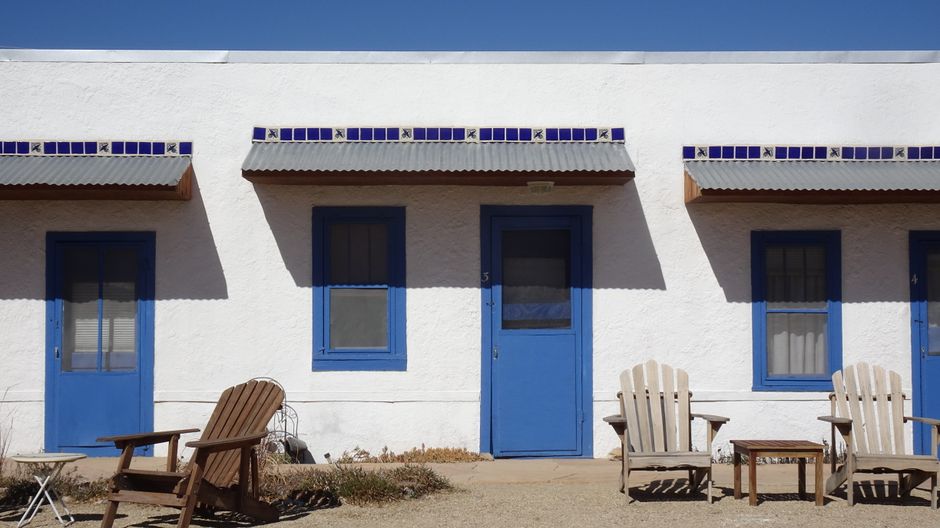
Give it one try. Book two nights if you can, because the first night you'll spend noticing everything that's different, and the second night you'll actually relax. And if you like stories set in places like this — the office with the buzzing sign, the family that runs it, the guest who sees more than anyone expects — the Small-Town Life shelf is full of them.