You notice the quiet before you notice anything else. Not silence exactly — a furnace hum, a clock somewhere behind the desk, one page turning two rooms away. Then the smell arrives: paper going slowly amber, floor wax, and a faint metallic warmth off the radiators even in October.
The Light Comes In High
The first thing that tells you this isn't a modern branch is where the windows sit. Carnegie libraries usually have tall, narrow windows set well up the wall, often arched at the top. That wasn't decoration. Daylight was the lighting plan, and the sills were placed high so the sun would fall on the reading tables instead of fading the spines. Walk in around four in the afternoon in winter and you'll see what the architect was after — long gold rectangles sliding across the floor, dust moving through them.
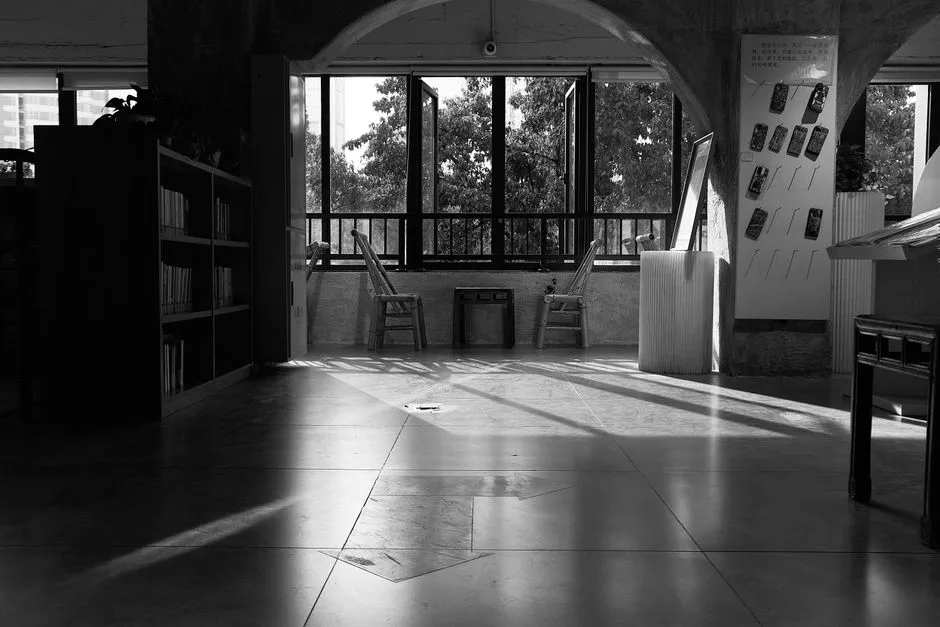
The floors are either terrazzo, cool and echoing, or oak boards that creak in a specific pattern you learn within a week. The ceiling is higher than the building looks from outside. The whole place is often one big room with a smaller room off the back, and that's it.
What Carnegie Actually Paid For
Between 1883 and 1929, Andrew Carnegie's foundation paid for roughly 1,689 public library buildings in the United States. The deal was simple and it shaped everything you're standing in: the town donated the land and promised to tax itself for upkeep. Carnegie paid for the building. That's why so many of these are small, sturdy, and built to last rather than grand.
No two are alike, because towns hired their own architects. But they share a floor plan, and once you know it you can walk into any of them and find your way. The main desk sits where the librarian can see the whole room. The children's room has its own doorway near the back hall so small feet don't thunder through the reading area. The community room is downstairs, next to the restrooms, and it smells like coffee and folding chairs.
The Etiquette Nobody Posts on the Wall
- Speak low, but don't do the theatrical whisper. Regulars can hear a stage whisper from the front door and it's worse than talking.
- Don't reshelve anything. Leave it on the cart, the table, or the return desk. The staff track what's out of place, and a book you filed yourself is a book they'll spend ten minutes hunting.
- Ask before you photograph people, and ask before you photograph anything in the local history room. Some of that material is on loan from families.
- If you belong to a library in the same system, bring your card. If you don't, ask about a visitor pass — most will issue one for the day.
- Leave the chair by the west window alone at two o'clock. Someone has been sitting there every afternoon since 1998.
- The restroom is downstairs past the meeting room. Yes, the door sticks. Push.
Beyond the Stacks: What to Look For
- The cornerstone. Crouch at the front corner nearest the street. You'll find the year and Carnegie's name cut into the stone.
- The original circulation desk, usually heavy oak and often still in service, with a worn pale patch on the top edge where a century of hands have rested.
- The fireplace. Many have one, most are no longer usable, and it's usually holding a fern or a display of new mysteries.
- The children's room. Low windows, a braided rug, and sometimes a mural painted by a WPA artist in the 1930s. Look at the wall above the picture books.
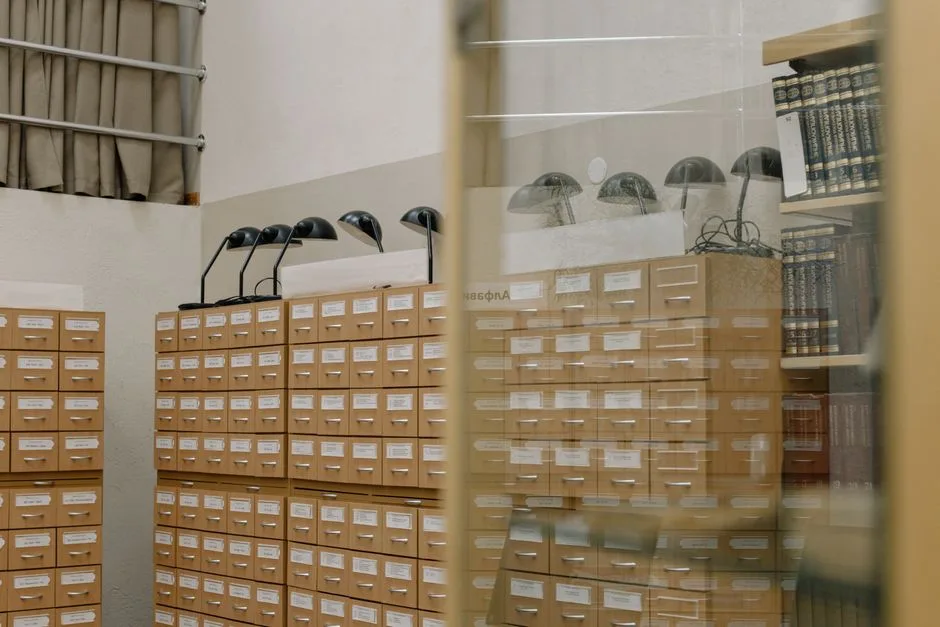
- The card catalog. Often kept after everything was digitized and quietly repurposed — a seed library, a puzzle exchange, a shelf of staff picks.
- The local history room. Cemetery indexes, high school yearbooks, a microfilm reader that still works if you ask.
- The bulletin board by the door. Quilt guild, blood drive, lost dog, piano lessons. It's the town's front page, and it's better reporting than anything you'll find online.
How It Differs From a City Branch
A city branch runs on volume. Holds on the shelf, self-checkout, a hundred people, a printer going constantly, someone ahead of you in line who needs a passport form. It's a good place and it does real work.
A small-town Carnegie does something else. One staff member knows your grandmother's maiden name. The heat clanks when it comes on. If you browse the shelves long enough you'll pull down a book published in 1961 with its due-date card still in the back pocket, blue ink, stamped in a column that stops in 1987. Some readers go looking for exactly that.
If you want to spend an evening in a building like this one, The Sparrow's Index is set in a library of the same vintage — an old desk, a small staff, and a town that expects the front desk to know everything worth knowing.
Before You Go
Bring a pencil instead of a pen. Sit in the reading room for twenty minutes without opening anything. Listen to the building settle. That's when it starts telling you what it's been keeping, and you'll want to come back tomorrow to hear the rest.
If this kind of place is your kind of place, our shelf of bookshop and library stories is the right next stop.