Family drama stories tend to work best when the trouble is already in the house before the first page, sitting in a drawer or a deed or a cedar chest, waiting for the right person to look. The four stories below are all short, all free, and all about a woman who reads what an older generation left behind. Each takes about ten to twelve minutes, start to finish on one page, so you can read one with your coffee and still have the morning.
Three of them are confrontations: a brother, a son, a mother-in-law. The fourth is quieter, and we put it last on purpose.
Why these family drama stories start with what was left behind
A secret from the past gives a story a good engine. Nobody has to invent a villain when a signature, a tool or a property record can do the talking. The woman at the center is usually the one who has spent years keeping the books, tending the shop or carrying the mail, which means she is the person who can tell when something doesn't match.
If you like this kind of reading, our whole Family Drama shelf is built around it. These four are a good place to begin, in an order that moves from sharp to gentle.
A name on a father's pharmacy deed
My Brother Demanded $75,000 to Cover His Debts. The Real Debtor Was Named on Our Father's Pharmacy Deed. (about 10 minutes)
Kate is a pharmacist, and she spent forty years following the rules. Precision was everything to her, a lesson she believed her father taught her and her younger brother never learned. She built her retirement, saved her money and kept an orderly life. Then Martin turns up in her kitchen in dusty work boots and asks for seventy-five thousand dollars against what they share: their father's old pharmacy building on Main Street, worth about four hundred thousand.
Kate answers the way she has rehearsed for years. She tells him to itemize it, every debt, every creditor, every due date. Martin says he can't, and she says then she can't write a check.
This one reads like a showdown that slowly turns into a puzzle. The first scene is two siblings standing across a kitchen from each other, and the pleasure comes from watching a careful woman realize the story she has been telling herself about her brother doesn't add up. The tagline says the truth was "an inheritance of a different kind," and the title tells you where the proof sits. How Kate gets there is the story.
Read it when you want a brisk opener with a real argument in it.
The secrets in a late husband's workshop
“It's Just Business, Mom,” My Son Said About the $50,000. He Forgot I Knew Every Secret in His Father's Workshop. (about 12 minutes)
This one begins with pride. Her son Thomas tells her he needs fifty thousand dollars to save his father's hardware store from a cheating business partner, and she has sixty-two thousand of her late husband Ray's insurance money sitting in her checking account. She is ready to hand over nearly all of it before he finishes asking. He finds her in the garden, pulling green tomatoes ahead of the first frost, while his new black pickup ticks in her driveway. A casino players card from over the Oklahoma line hangs from the mirror on a bootlace. He keeps turning his phone face down on the fence post and then checking it again.
Then one of Ray's most prized antique tools turns up in a local pawn shop, and she starts to wonder what kind of business her son is really in.
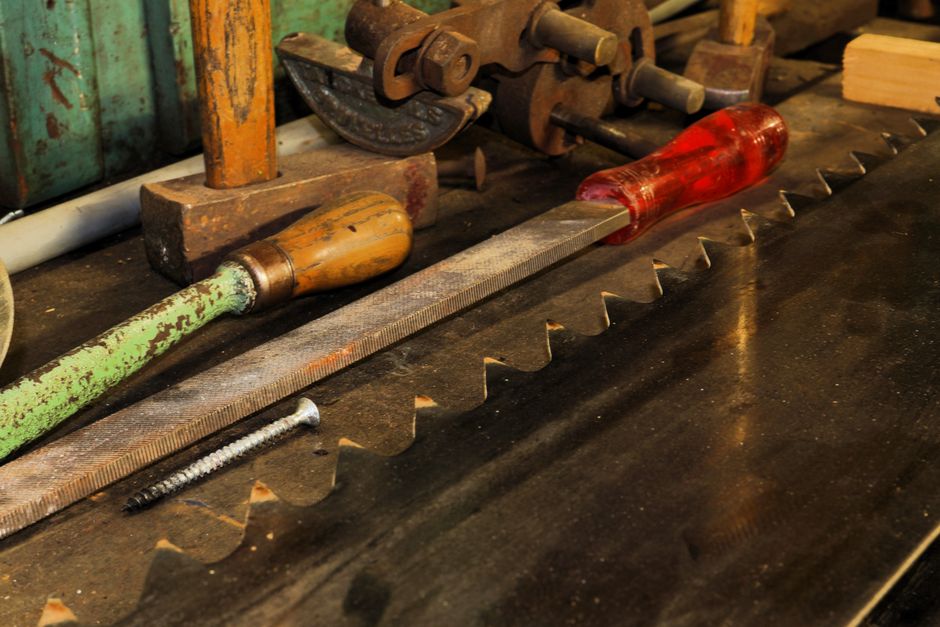
This is a showdown too, but a patient one. A mother who wants to believe her boy is looking at small details that won't let her, and the answer isn't in any balance sheet. It is in the scent of sawdust and linseed oil in Ray's workshop, and in how well she knew the place. If you have ever kept a late spouse's things exactly as they were, this one will feel familiar.
Read it when you want a story that sits on the porch with you for a while before it turns.
The ink of a husband's favorite pen
My Mother-in-Law Stole Our Beach House With a Forged Will. She Forgot I Knew My Husband's Favorite Pen. (about 12 minutes)
Six months after Daniel dies, his mother Loretta produces a new will, a single-page codicil from her lawyer that gives her the family beach house and leaves his wife, Gloria, with memories. Loretta calls it his final wish. She tells Gloria the agent expects four hundred fifty thousand dollars for the place, and that Daniel would be pleased to see it put to use.
Gloria takes the call at Tidewater Blooms, standing in the back with a bucket of white ranunculus against her hip and cold water running down her wrist into her apron. She has read the codicil several times. She also lived with Daniel for thirty-five years. He was meticulous, and he signed important papers with one particular fountain pen. The pen that wrote her out of his life, the story tells us, was not it.
Of the four, this is the cleanest showdown. It has a clear opponent, a clear piece of paper and a clear question: what does a marriage of thirty-five years teach you that a lawyer's file doesn't? The tagline puts it nicely: his signature was on the will, but his heart was in the ink.
Read it when you want a fight you can feel good about watching.
A December card a mother kept waiting for, for 66 years
At 57, I Learned Why Mama Met My Mail Truck Every December. She'd Kept It 66 Years. (about 10 minutes)
After three confrontations, this is the one that lets the room go quiet.
Marybeth has carried Route 2 out of the Ashby post office for twenty-nine years, and her mother's mailbox sits on that route. Daddy died in 2022. The house on Pecan Road has been sold, with a closing on December 30, and Clem has found the buyers, a young couple with a baby coming, and has a spare room ready in Pooler with a new quilt on the bed. All that's left for Marybeth is seven weeks of emptying closets on her days off, and she believes there isn't a drawer in that house she couldn't describe blind. Meanwhile the Christmas cards begin to arrive.
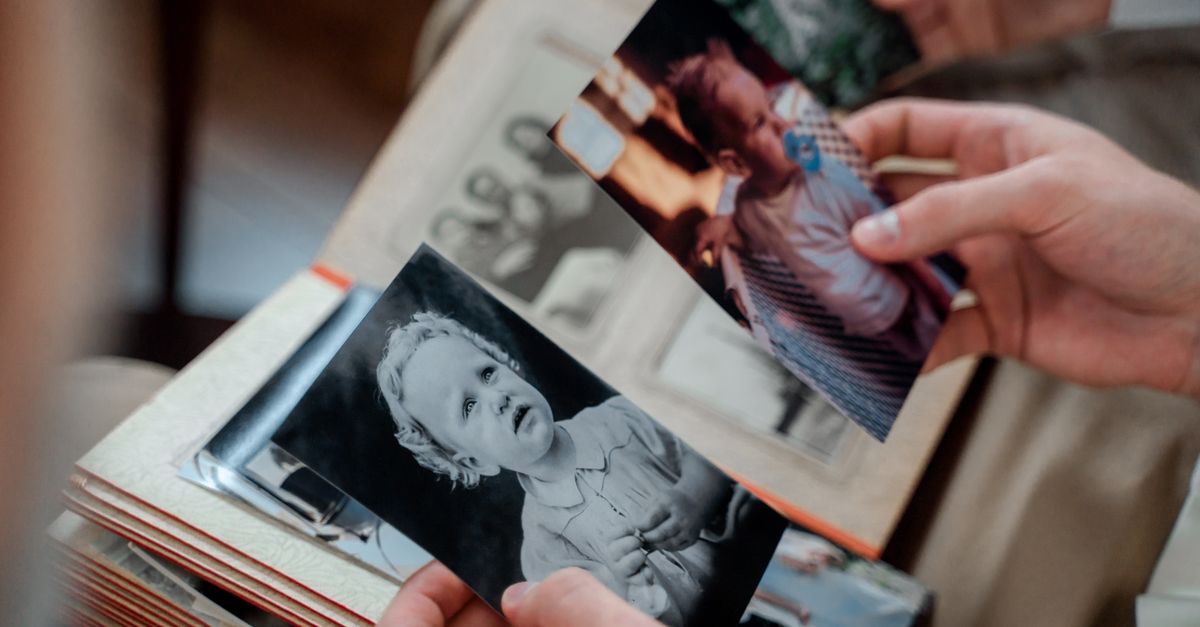
The cedar chest in the back bedroom is the last thing the family has put off. On a gray Sunday, with pecan husks dropping onto the carport roof, Marybeth kneels down in front of it.
Every December, the tagline says, one card came for Mama, and this year a stranger carried it in herself. We won't say more than that. There is no villain here and no one to catch. It's a slow reveal about a woman who always stood at the end of her driveway when the truck came, and a daughter who has delivered mail to that box for nearly three decades without knowing why. The title gives you the number, 66 years, and the story slowly gives you the rest.
Read it last, or read it on a gray afternoon when you'd rather be moved than thrilled. It is also the one to pass along to a sister or a friend who has ever sorted through a parent's house.
How to choose where to start
If you only have one sitting, here is a quick guide:
- For a kitchen argument that turns into a puzzle, start with the pharmacy deed story.
- For a mother who wants to trust her son and can't quite manage it, read the workshop story.
- For a clean, satisfying confrontation over a forged page, read the beach house story.
- For something gentle, with the whole of a long December in it, read the story about Mama and the mail truck.
All four are complete, free and readable on one page, with no signing up and no waiting for the next installment. When you've finished, the full list of everything we publish is at all our stories, and there are more on the family shelf if you want another.