If you went looking for heartwarming stories, chances are you want something short and gentle, with a little worry in it, and the feeling at the end that goodness has a way of finding its owner. Most of the stories on our shelf work that way. They don't need a grand rescue. They need an ordinary woman, an ordinary kitchen, and one moment that sits quietly for years until it matters.
Here are three of those moments, each from a different story, and how each one is put to work. They're all about ten minutes long, and each is read start to finish on a single page.
Heartwarming stories often begin with a kindness no one thought to mention
You probably have one of these yourself: a night you gave someone the better blanket, a ride you offered, a spare room that stopped being spare for a season. At the time it felt like what anyone would do. You may not have told anyone about it since.
That's where For One Winter in 1997, I Gave a Pregnant Girl My Bed — Then a Stranger Knocked at My Door begins to turn. Its narrator, Irma, is 52 and the secretary at Escondida Elementary. She has lived alone since her husband Ernie died in March 2024. Her son Joaquin teaches in Albuquerque and would like her to move in with him, which is a loving offer and not an easy one to hear.
The story opens with a letter. It arrives on the first of November and gives her sixty days to replace the roof Ernie patched every spring for twenty-two years, or lose the insurance and, sooner or later, the house. Irma reads it at the mailbox, reads it again at the kitchen counter, and slides it under the takeout menus. In the front hallway a blue mop bucket sits under a stain, where it has sat since the September rains. She has $4,200 in savings and has told nobody.
Anyone who has hidden a worry in plain sight will know that feeling: carrying a problem alone because saying it out loud would make it real, or would make someone else worry. It's a very ordinary kind of loneliness, and the story takes it seriously.
What the story does with the other half of its title is the part we won't give away. The winter of 1997 sits far back in Irma's life, and the knock comes in the present. You can guess the shape of what's coming and still be glad to read how it happens. It's a good pick when you want to believe that a bed given freely, with no thought of return, was never wasted.
A deadline on something you've kept for nineteen years
The second moment is a different sort of pressure. Nobody has been unkind, exactly. A building is changing hands, a date has been named, and a woman has to look at everything she has built in one room and wonder how to carry it out.
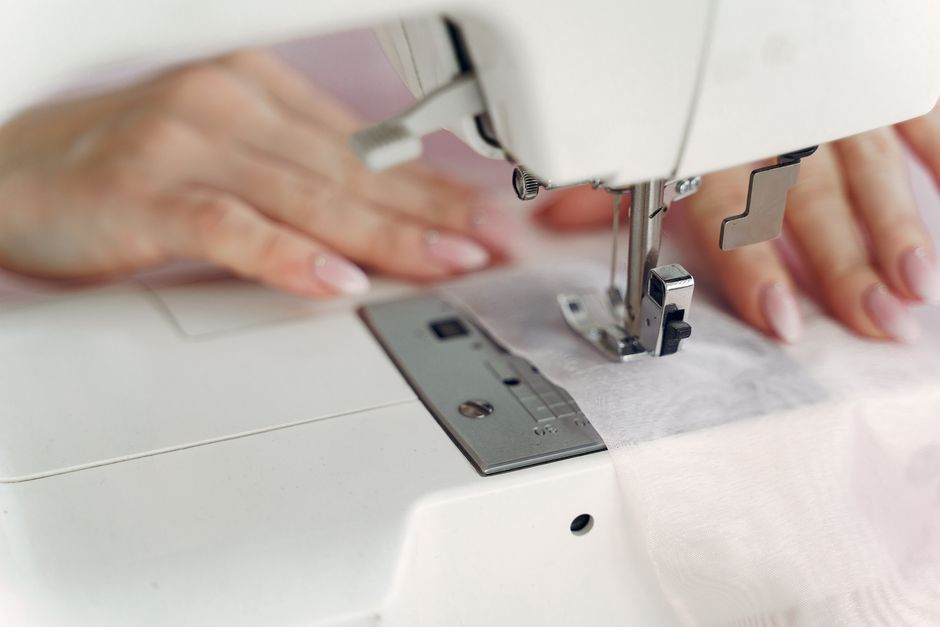
In I Had 78 Days to Close the Shop I'd Kept 19 Years. I Didn't Recognize the Man Who Walked In., that woman is Wanda, 52, divorced since her daughter Kayla was small. From one room on Broad Street in Darien she has hemmed half of McIntosh County's church pants, prom dresses and Coast Guard uniforms. For years she has paid Royce Ambrose $650 a month on a handshake, and the story opens when Mr. Ambrose stands in her doorway, straw fedora in both hands, and tells her she has until Halloween.
She has a Coast Guard trouser leg under the needle, a mouthful of pins and $2,600 in savings. She takes the pins out one at a time. That small action does a lot of work, because it shows you who she is before she says anything. It's a woman who finishes the task in front of her, even as the ground shifts.
There's one more detail we like. Wanda sews a tiny red cross-stitch, a redbird, into everything she finishes, because her mother did. It isn't a signature anyone asks for. A customer might never find it. It's the kind of thing a person does because it's how the work was handed to her.
That's the feeling of the second moment: when something you've done carefully for decades suddenly has an end date, you start counting what it really amounted to. Not the money, but the Easter pants and the prom hems and the uniform that had to be ready by Friday. The tagline mentions one notice online and a quiet stranger in her doorway. Who he is, and why Wanda doesn't know him, we'll leave for the page. But a stranger arriving at a door in the middle of a countdown is a good promise for a reader to hold on to.
If you like stories set in workrooms and small shops where people know each other's measurements, this one will feel familiar in the best way. Our Crafts & Hobbies shelf has more in that spirit.
A silence kept for someone else's sake
The third moment is the quietest and probably the hardest. Most of us have, at some point, let someone think the worst of us because the truth wasn't ours alone to share. It might have been a family matter, someone's private trouble, or a promise. The silence costs something every day, and it keeps costing.
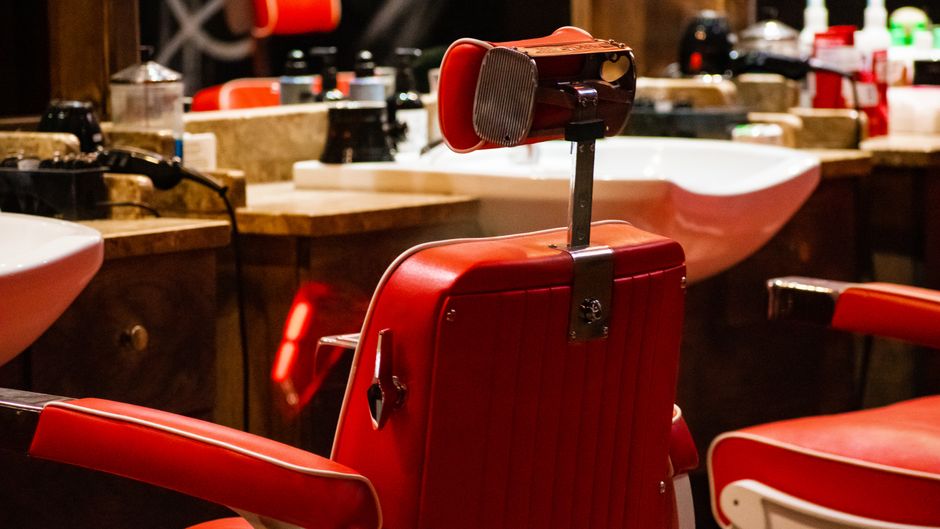
For Five Years My Daughter Believed I Chose My Shop Over Her Dying Dad. I Let Her. is built on exactly that. Darcy is 58 and has done hair in Broken Bow, Nebraska, for thirty-seven years, twenty-six of them in her own shop. Her husband Lyle died at home in August 2021. Their daughter Brooke, a dental hygienist in Kearney, hasn't spoken to her since the funeral. Brooke believes her mother kept working through her father's last month because she cared more about her customers, and then sold his land as fast as she could. Darcy has never explained.
The tagline says the reason was never hers to tell, and that sentence holds the whole story together. Darcy isn't being stubborn or proud. She is keeping something for someone else, and she has kept it through five holidays, five birthdays and five winters.
The opening scene shows how heavy this is. Her son-in-law Nolan comes into her shop with his hard hat under his arm and tells her she can be there when her first grandchild is born, but only if she closes her chair for two weeks. Two weeks closed is about seventeen hundred dollars she won't earn. Rent of six hundred fifty is due on the first, and she has nineteen hundred put by. Nolan calls her ma'am, as he always does, and she tells him not to, as she always does. A grain truck rattles her front window. She puts her comb in the jar of blue sanitizer.
Notice how many small things are going on at once there: a grandchild due November 4, a message carried by a go-between, a daughter who won't ask but has said it plain. That's how real family distance works. It's rarely one big fight. It's a series of careful messages passed through other people.
Read this one when you want a story that understands why people stay quiet, and still believes quiet doesn't have to be permanent. We won't say how it resolves, but the title's last two words, "I Let Her," tell you Darcy made a choice, and choices can be revisited.
How the three moments fit together
Put these side by side and a pattern shows up, though it isn't a formula. Each story starts with a woman carrying something alone: Irma with the letter under the menus, Wanda with the Halloween deadline, Darcy with the reason she's never said. Each has something in her past that she gave freely, whether a bed, nineteen years of careful work, or her silence. And each story turns on whether anyone noticed.
That's the real appeal of the kindness nobody saw. These women didn't give so that they'd be repaid. They gave because it was right, or necessary, or simply who they were. If the story brings something back to them, it feels earned instead of arranged.
None of the three is long. If you've got a coffee going cold, a quiet half hour after dinner, or a few minutes before the house wakes up, you can finish any one of them in a sitting. And because each is complete on its page, you never have to wonder whether you're being left in the middle of something.
Where to find more heartwarming stories
If one of these moments sounded like it belongs to you, start there. Irma's story is the one to open first if you like quiet debts and unexpected callers. Wanda's suits you if you like work done by hand and a community that notices when it's gone. Darcy's is for a day when you're ready to feel something about families and the things they leave unsaid.
When you've finished, the whole Heartwarming shelf is waiting, and our Starting Over and Small-Town Life pages hold plenty of stories with the same warm, unhurried feel. You can also browse every story we've published, all free, all read on one page.