
If you're looking for heartwarming stories that finish where they begin, on one page, in about the time it takes your coffee to go lukewarm, this is a short shelf to start with. All three are complete: no part two, no "to be continued," nothing to hunt for on another page. Each is a little over ten minutes, and each is about a woman who has been carrying something by herself, without complaint, for a long time.
We picked them together for a reason. The women in them are not young, not rich, and not looking for rescue. They run a chair, a sewing machine, a school office. What they hold is quieter than money: a reason they never explained, a handshake lease, a favor from decades ago. Here they are in the order we'd read them.
A reason that was never hers to tell
For Five Years My Daughter Believed I Chose My Shop Over Her Dying Dad. I Let Her. (about 11 minutes)
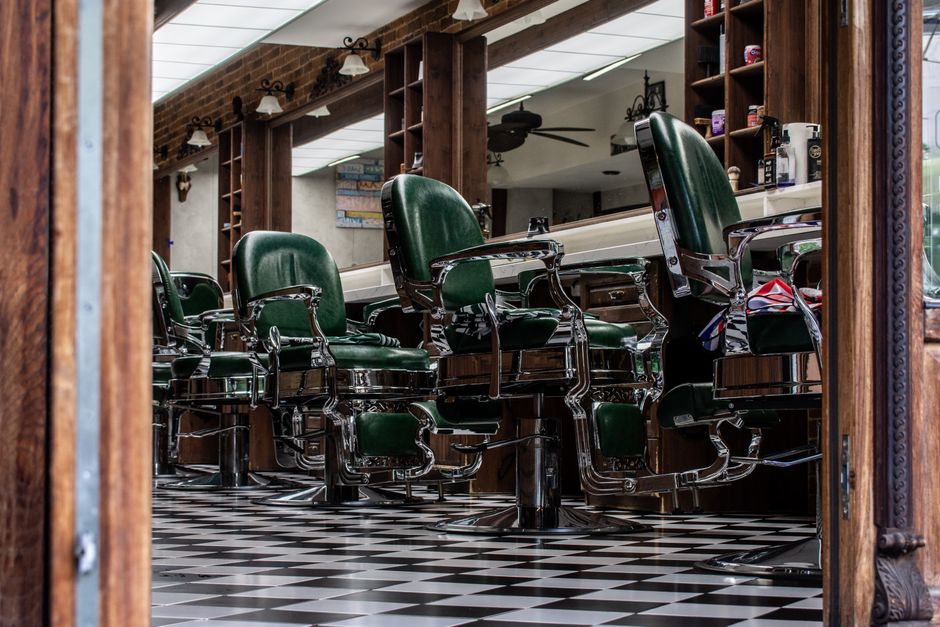
Darcy is 58. She has done hair in Broken Bow, Nebraska, for thirty-seven years, twenty-six of them in a shop of her own. Her husband Lyle died at home in August 2021, and her daughter Brooke, a dental hygienist in Kearney, has not spoken to her since the funeral. Brooke believes her mother kept working through her father's last month because she cared more about her customers than about him, and then sold his land as fast as she could. Darcy has never set her straight. The tagline says why: the reason was never hers to tell.
The story opens in the shop, years later, with Brooke's husband Nolan standing there with his hard hat under his arm. He says Darcy can be there when her first grandchild is born, but only if she closes her chair for two weeks. That's money she doesn't have to spare, with rent due on the first. A grain truck rattles the front window on Highway 2 while she decides what to do with the comb in her hand.
This is the family-heartache read on our shelf: a mother and daughter separated by a story only one of them knows. It's for the evening when you want to feel something steady rather than something sharp. If you've ever kept quiet because speaking would have cost someone else more, you'll recognize Darcy quickly. And if the plain, weathered feel of small-town Nebraska appeals to you, a Kent Haruf novel like *Plainsong* has some of the same hush, though Darcy's story is shorter and takes place on one page.
A working life with a date on it
I Had 78 Days to Close the Shop I'd Kept 19 Years. I Didn't Recognize the Man Who Walked In. (about 11 minutes)
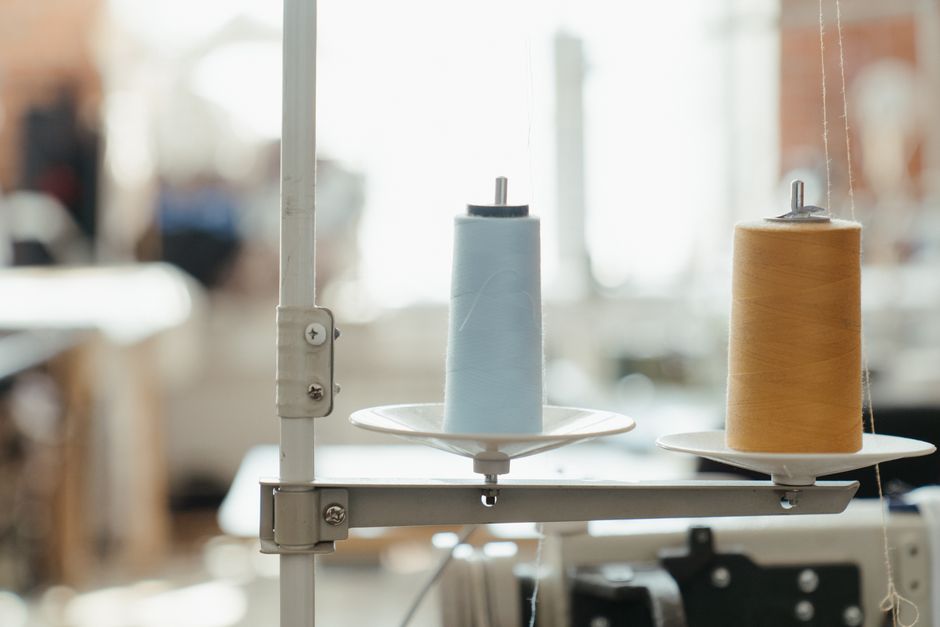
Wanda is 52 and has been divorced since her daughter Kayla was small. From one room on Broad Street in Darien, Georgia, she has hemmed a good share of McIntosh County's church pants, prom dresses and Coast Guard uniforms. For years she has paid her landlord, Royce Ambrose, $650 a month on a handshake. Into everything she finishes she sews a tiny red cross-stitch, a redbird, because her mother did.
Then Mr. Ambrose stands in her doorway, straw fedora in both hands, and tells her she has until Halloween to clear nineteen years of other people's hems out of his building. A buyer wants it empty for short-term rentals, and Wanda has $2,600 in savings and nowhere else in town she could afford. The tagline adds a notice posted online and a quiet stranger in her doorway, and that stranger is who the title means.
This is a working-life-ending story, the kind that rewards anyone who has ever given a place nearly two decades of herself. The pleasure is in the details: pins taken out one at a time, gold letters on the front glass that read backward from the inside, a trouser leg waiting under the needle. We won't say what the stranger's visit turns into. We'll only say that Wanda's shop is the sort of place where a person might be remembered.
A winter in 1997, and a roof now
For One Winter in 1997, I Gave a Pregnant Girl My Bed — Then a Stranger Knocked at My Door (about 10 minutes)
Irma is 52, the secretary at Escondida Elementary, and has lived alone since her husband Ernie died in March 2024. Her son Joaquin teaches in Albuquerque and would like her to move in with him. Meanwhile a blue mop bucket has stood under a stain in her front hallway since the September rains, and a letter has arrived giving her sixty days to replace the roof Ernie patched every spring for twenty-two years, or lose the insurance and, sooner or later, the house. She has $4,200 in savings. She has told nobody, and she slides the letter under the takeout menus.
The title points back to one winter in 1997, when Irma gave a pregnant girl her bed, and forward to a stranger at her door. The tagline lays the two side by side: one winter she gave a stranger her bed, and now she has sixty days to save her own roof.
Of the three, this one most plainly asks what a kindness is worth when its giver is the one in need. It's a read about a past kindness and a home at stake. If you like a story that holds a small, ordinary deadline against a long memory, it will suit you. As with the others, we're leaving the ending where it belongs, on the page.
Why these heartwarming stories work in ten minutes
A short story has less room than a novel to be vague about what it's for. Each of these three starts with a specific number and a specific person: seventeen hundred dollars of lost chair time, seventy-eight days, sixty days. You know within a paragraph what is at risk and who is carrying it. That is much of why a story this length can still move you. It doesn't hurry; it just doesn't waste anything.
They also share a temperature. Nobody here is cruel for the sake of drama, and nothing is graphic. The pressure comes from rent, a letter, a silence, and the feeling of being misunderstood by someone you love. The warmth comes from how a woman behaves while under that pressure. Darcy keeps working and keeps quiet. Wanda keeps sewing a tiny redbird into the hem of a Coast Guard trouser. Irma keeps going to the school office every morning and keeps a mop bucket in the hall.
How to read them
Each story lives on a single page, so there's nothing to download and nothing to sign up for, and you can stop and pick it back up without losing your place. A few ways we'd suggest taking them:
- Read Darcy's story first if you want the one that opens on a decision. The first scene puts a hard hat, a closed chair and a due date in front of you at once.
- Read Wanda's on a slow afternoon. The tone is gentle and unhurried, with the clack and hum of a sewing room.
- Read Irma's when you'd like something a little wistful, a story where a long-ago kindness sits quietly next to a present worry.
- Read all three in one sitting, and you've spent about half an hour with three women who never once make a speech about how hard they've had it.
If these suit you, our Heartwarming shelf has more in the same vein, and every story on it is complete on its page. The women in these three keep their own counsel for a long time, so reading them is a bit like being let in on something.
Pick the one whose opening line you'd rather hear the rest of. Whichever you choose, you'll have the whole story before your tea goes cold.