The man in Billings who mailed my father's rodeo buckle to my café wrote that he was moving to Arizona on October twelfth and wouldn't be needing it anymore, and he signed it with a name I'd never heard.
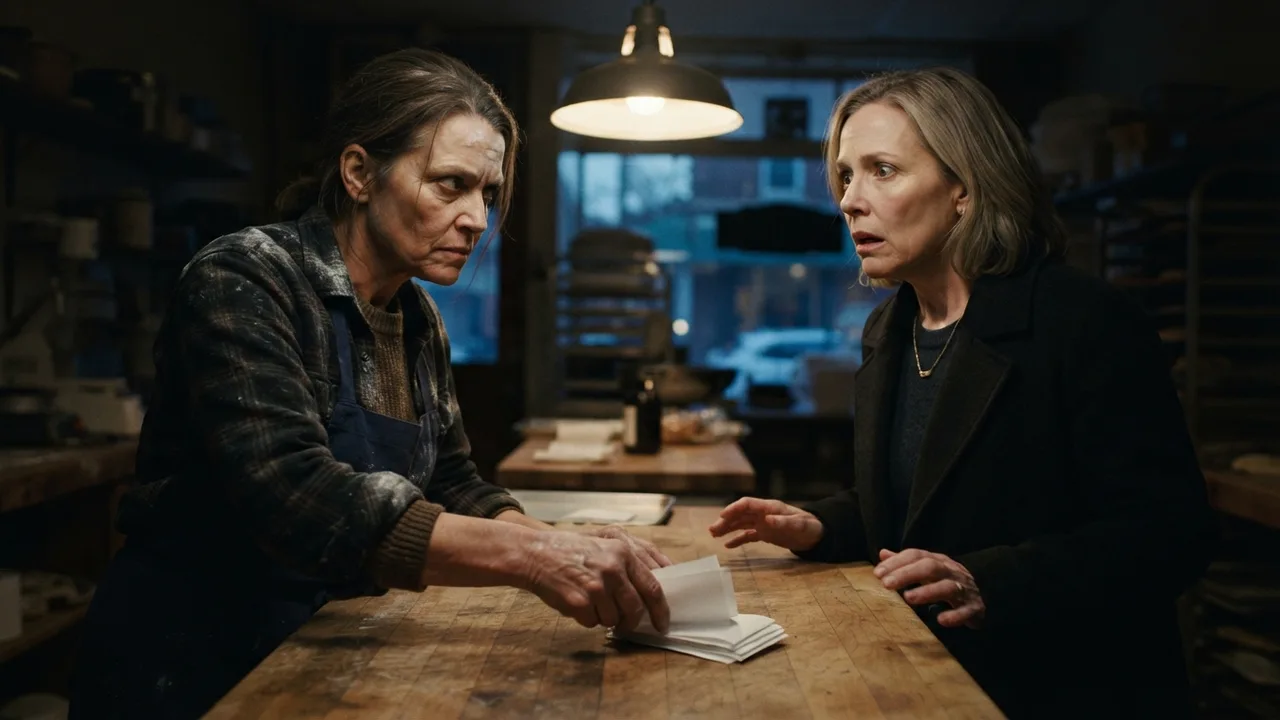
The mailer had come through the door slot in the middle of the Tuesday lunch rush, and my waitress passed it across the register to me. I opened it with four people waiting to pay. Inside, wrapped in a blue-checked dish towel, lay a tarnished silver buckle with a bucking horse on it and letters cut across the bottom: LIVINGSTON ROUNDUP 1956, SADDLE BRONC, E. OSTLER.
The note was folded small, and I read it standing up.
*This was among my late mother's things. It has your father's name on it. I am moving to my daughter's in Arizona October 12 and won't be needing it. It ought to go home. Wade Haugen.*
"Nadine?" A regular held out a twenty for his meatloaf plate. "I'd like my change before the snow flies."
"Sorry about that."
I gave him too much back, and he was decent enough not to say so.
"You've gone white," my waitress said when he'd left. "Did somebody die?"
"Nobody new."
My father, Emil Ostler, won one buckle in his whole life, at the Livingston Roundup, and lost it in 1958 when his horse went down crossing the Yellowstone. "The river kept my luck," he'd say, "and gave me your mother instead." He told it for sixty years. Mom would say "Emil" and pass him the salt.
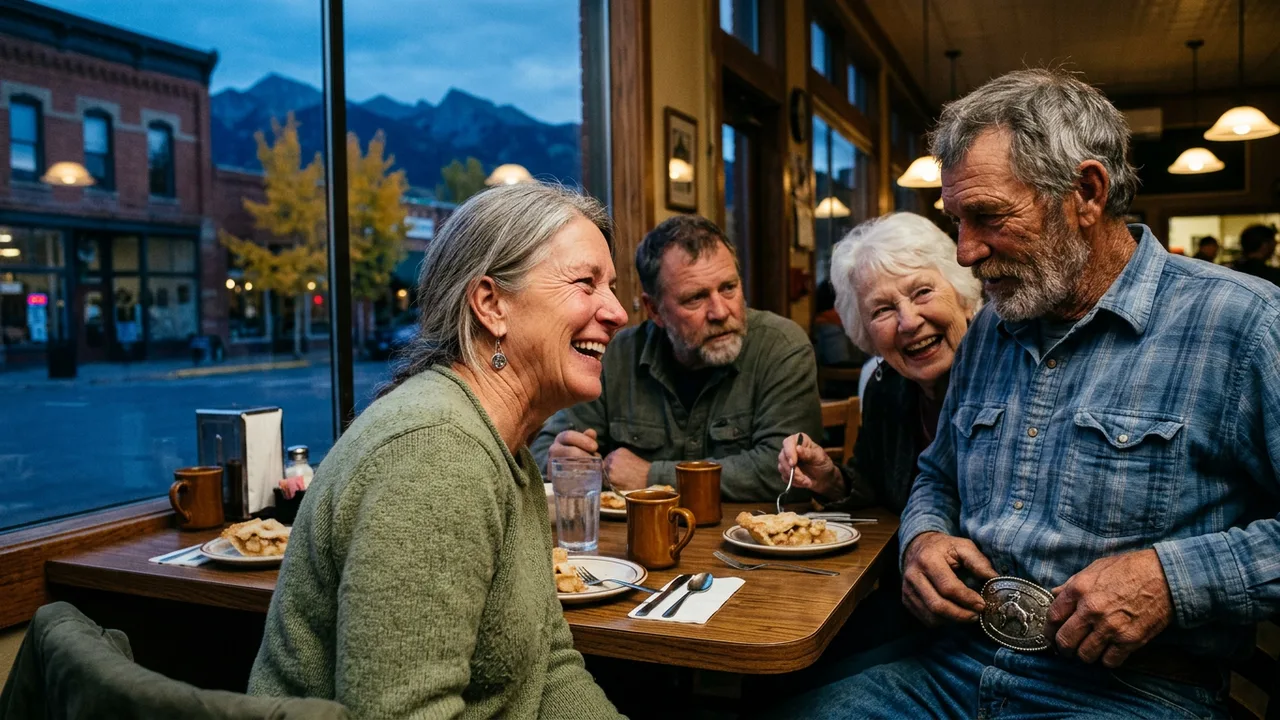
Every Sunday after closing, since the year I opened the café, the family had eaten supper at the corner table by the window: Mom, Kenny, me, and Dad until he died in 2019. I'd left his chair pushed in against the glass ever since. Nobody sat in it.
The river had never kept that buckle. Somebody's mother in Billings had, and I stood there with it in a dish towel and could not have told you who she was or why.
Kenny came in Saturday at his usual hour, hung his silverbelly hat on the peg, and took the counter stool nearest the grill. Two eggs over medium, hash browns, rye toast. I'd made that plate every Saturday I could remember.
I set the buckle beside it.
"Boss," he said, and looked at the thing a while before he touched it. He turned it over in his big chapped knuckles. "Where'd that come from?"
"The mail. A man in Billings named Wade Haugen. He says it was in his late mother's things."
"Some fisherman pulled it out of the river and sold it. That's all."
"Dad's name is cut in the bottom, Kenny. Somebody kept it dry a long time."
"Then somebody sold it twice." He set it down. "That's all it is."
"I'm driving to Billings to ask him."
Kenny doesn't shout. He put his fork down and lined it up with the edge of the plate.
"Leave Dad be. And don't you show Mom. She'll think you're calling him a liar."
"I'm not calling anybody anything."
"That's how she'll hear it." He took his hat off the peg and left the eggs half eaten, and the door closed behind him soft, which was worse than a slam.
He skipped supper the next day. Mom asked where he was, and I said he hadn't told me, which was true. He didn't call all week, and neither did I; the phone sat by the register and I stepped around it. It was the first silence between us in years.
The Saturday after that I taped a sign to the café door: CLOSED TODAY, FAMILY BUSINESS. OPEN SUNDAY 6 A.M. I hadn't closed on a Saturday since the day we buried my father, and a Saturday puts about $1,800 in my till. I drove east knowing to the dollar what that sign was costing me, with the cottonwoods along the Yellowstone gone yellow and the wind shoving at the truck through Big Timber and Columbus.
Wade Haugen's ranch house sat on the west end of Billings, half emptied, with boxes stacked in the front room and marked in black pen: KITCHEN, RAILROAD, MESA. He met me at the door, long-legged and a little stooped, in a work shirt pressed and snapped to the collar. His belt was plain leather with nothing on it.
"Ma'am. I apologize for putting this on you by mail."
"It's Nadine."
"Nadine." He tried it out. He found two mugs in the box marked KITCHEN and washed them before he poured. I put the buckle down on his table between us.
"My mother kept it in her cedar chest, under the baby blankets," he said. "I found it in August, clearing the thing out."
"Did she ever say where it came from?"
"No. Gus Haugen adopted me when I was three. The man I was born to, my mother, Arlette, never named. She said, 'He was a rodeo man, and he did right by us.' That was the whole of it." He rubbed his thumb along a seam of packing tape. "I'm sorry. I'm about to say something personal. I'm not asking you for anything. I wanted that buckle where it belonged."
I told him I ran a café. He nodded slowly, as if that settled something he'd been turning over.
"The best pie I ever ate came every Christmas from my mother's friend in Livingston. Huckleberry, with a little star cut in the top. I never learned her name." He looked at his coffee. "I'm seventy. Born in March of 1956. I don't know why I told you that."
I said the coffee was good and that I'd better beat the wind home. For nineteen Decembers I had cut a star in the crust of a huckleberry pie so my mother would have something to carry to her old friend in Billings. I told myself plenty of bakers cut stars, and I drove home without telling him whose hands had cut that one.
That night my mother phoned.
"A friend's girl drove by your café," she said. "She says it was dark on a Saturday."
"I drove to Bozeman for restaurant supplies."
"On a Saturday?"
"The prices are better."
"Mm," my mother said, and let it sit. "Dress warm tomorrow."
I hung up and stood at my kitchen sink with my hands wet. It was the first lie I'd told my mother as a grown woman, and it had come out smooth as pie dough.
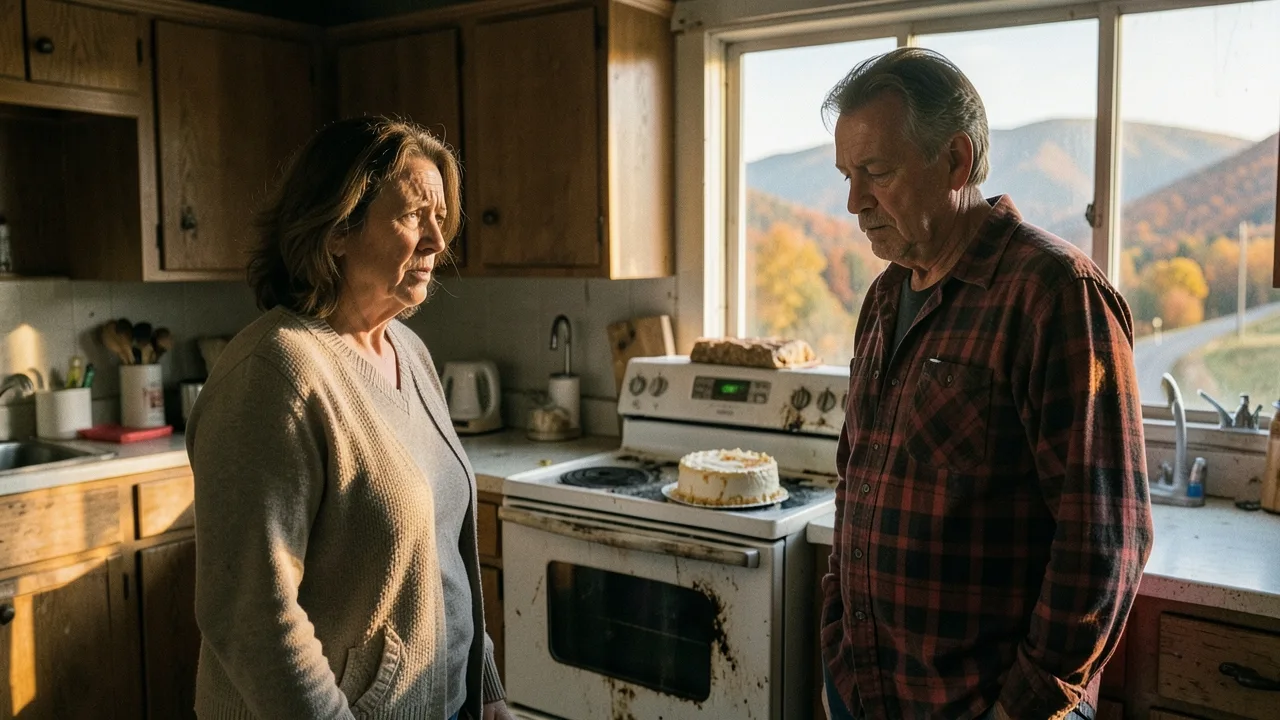
On the Monday after next, with the café closed, I sat at my mother's kitchen table on the north side of town with the buckle in my apron pocket. It's a small frame house a mile from the café, and the oilcloth on the table has had cherries on it as long as I've been alive. Mom had her cardigan buttoned to the throat and her pearl clips in, though no one had come to call. She'd cut a coffee cake.
I laid it on the oilcloth between the sugar bowl and the cake.
Mom went still. Then she picked up the knife and said, "Some fisherman must have had luck."
"It came from Billings, Mom. From a seventy-year-old man named Wade Haugen. His mother kept it in a cedar chest."
She cut a square of coffee cake nobody had asked for. "Have a piece."
"I sat with Dad every night his last spring. He talked about horses and the river and my pie, and he never said one word about this. I've been the oldest my whole life, and maybe I wasn't. And I lied to you on the telephone over a buckle, and I don't lie to you."
"Nadine." It was the school-office voice, the one that had sent a thousand children back to class. She put the knife down. "Please. Let it rest. Your father made a promise in 1959 and I made one to him. Let that man go to Arizona."
"What promise?"
She smoothed her napkin over her knee. "Arlette was a girl your father knew before me. She had a hard time of it. That's all you need, and that will do."
I got up and rinsed my cup so she wouldn't see my face.
I had not said that name in her kitchen. Wade had said it once, in his half-packed house, as his mother's name, and I hadn't carried it here. The buckle said 1956, Wade said March of 1956, and my parents were married in August of 1958. A woman in Billings had a son who remembered a huckleberry pie with a star in the top arriving every Christmas until she died, and I had cut that star nineteen times.
My mother had carried my pie to his mother's table.
I turned off the tap and dried my hands on the dish towel, one finger at a time.
"I'm not going to let it rest, Mom."
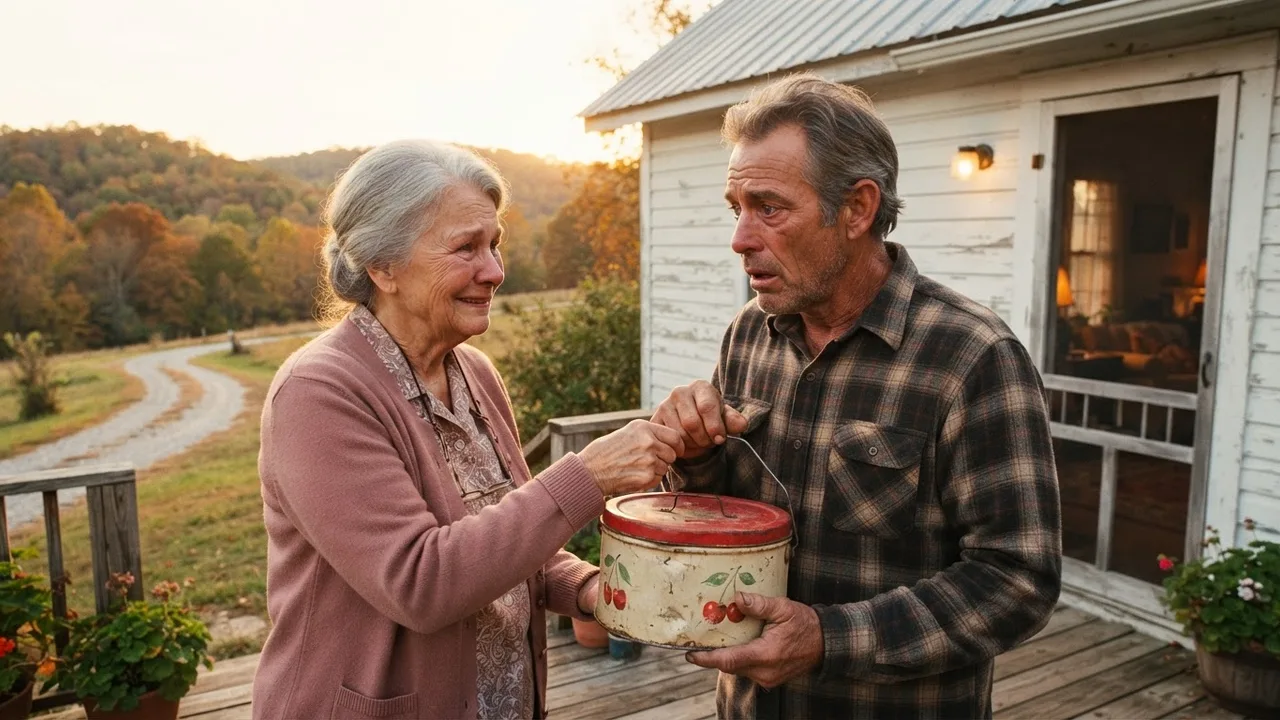
She didn't answer. She wrapped the coffee cake in foil and held it out to me, and I took it, and I took the buckle too.
The next day, after the lunch rush, I called Wade from the office behind the kitchen.
"Wade, it's Nadine Ostler. I believe we're family."
I heard a tape gun screech and stop.
"I've wondered a long while," he said. "I wouldn't have asked you. I'm sorry."
"Come to Sunday supper at the café before you leave. After we close. There'll be a place for you."
"I'll be there, ma'am. Nadine."
On Thursday I stopped at my mother's door and told her Wade was coming Sunday and that I meant to tell Kenny everything.
"I will not come," she said, buttoned to the neck, one hand on the doorframe.
"Then there'll be a chair for you anyway."
I called Kenny that evening from the café. He picked up on the sixth ring.
"A man from Billings is coming to Sunday supper," I said. "I'd like you there."
"What man?"
"Come and see."
"Boss, I told you to leave it."
"Sunday, Kenny. Come hungry."
Sunday I closed at two, scrubbed down the flat-top, and set the corner table. I carried over a chair from the next table and pulled it up at the end, beside mine. Dad's chair stayed pushed in at the window. A pie sat under a dish towel on the back counter, and I didn't look at it much.
Mom came first, in her good coat. She sat in her usual seat with her purse in her lap and her back as straight as a yardstick, and she didn't say whether she'd come for me or against me.
Wade came next, hat in his hands, pressed shirt, plain belt. My mother looked at him for a long moment.
"Sit down, Mr. Haugen," she said.
"Thank you, ma'am." He didn't sit. He waited, as he'd been raised to, until the women were settled.
Kenny came in last. He stopped inside the door with his hat off and his canvas coat still buttoned, and he looked at the tall stranger on his feet and the extra chair, and he stayed where he was.
"Who's this?"
I took the buckle out of my apron and set it on the table in front of Wade.
"This was Dad's. Wade is his son. He's our brother."
Nobody moved. Out the window a truck went by on Callender Street and its tires hissed on the wet pavement.
"Dad would never have walked away from a kid," Kenny said.
I said nothing back. I went into the kitchen, took the dish towel off the pie, and carried it out in both hands, a huckleberry pie with a star cut in the top. I set it down in the middle of the table.
Wade looked at it a long time.
"That's my mother's Christmas pie," he said quietly.
"I baked it," I said. "Nineteen years. Mom carried it to your mother's door."
My mother's hands came off her purse. She looked at the pie, then at me, and I watched the school secretary go out of her face.
"Emil married Arlette in Billings," she said. "They were married, Wade, and you were born, and it came apart in the fall of that year. He signed the paper so you'd have one father and one name. He sent money every Christmas until you were eighteen, and I took it to her myself." She drew a breath. "Arlette was my friend until the day she died."
"Mrs. Ostler," Wade said. "I never meant—"
"I promised your father you'd never think he left a baby behind." She looked at Kenny and then at me. "Now I have to sit here and watch you think it."
The father I'd had, the one-buckle cowboy who laughed at the river, went out of the room like a coat off a hook. I let him go.
Kenny was still standing.
I got up and pulled out the chair by the window, the one our father had sat in every Sunday for thirty-four years.
"He kept coming back to this table, Kenny. Let his other boy sit in it once."
Kenny turned his hat around in his hands. It took him a while.
"I always figured I was the one he taught to ride because I was all he had," he said.
Then he crossed the room, took the chair by its back, and slid it over to Wade himself. He sat down beside him.
Wade unbuckled his plain belt, drew it out, and threaded the Roundup buckle onto it with his big chapped knuckles while my mother cut the pie.
We ate it. Nobody said much for a while, and the forks scraped.
"I'm still leaving in the morning," Wade said. "My daughter's expecting me in Mesa."
"The Roundup's the Fourth of July," Kenny said, gruff, not looking up from his plate. "You can sit with family in the stands."
"I'd be obliged."
"Wade," my mother said, "did Arlette ever keep her canning recipes?"
"A shoebox of them, Mrs. Ostler. Green tomato relish, mostly."
"Ione. Please." She set down her fork. "She wrote them on the backs of envelopes. I used to tell her she'd lose the lot."
They talked about his mother until the window went blue, my mother leaning toward him over the pie plate. Kenny never once called me Boss, and I noticed.
At the café door in the October dusk, Wade settled the buckle on his belt and ran a thumb across the horse.
"I'll be needing it after all," he said.
When I turned out the lights, I left Dad's chair pulled out from the glass, where Kenny had slid it for Wade, at the corner table by the window.
Comments