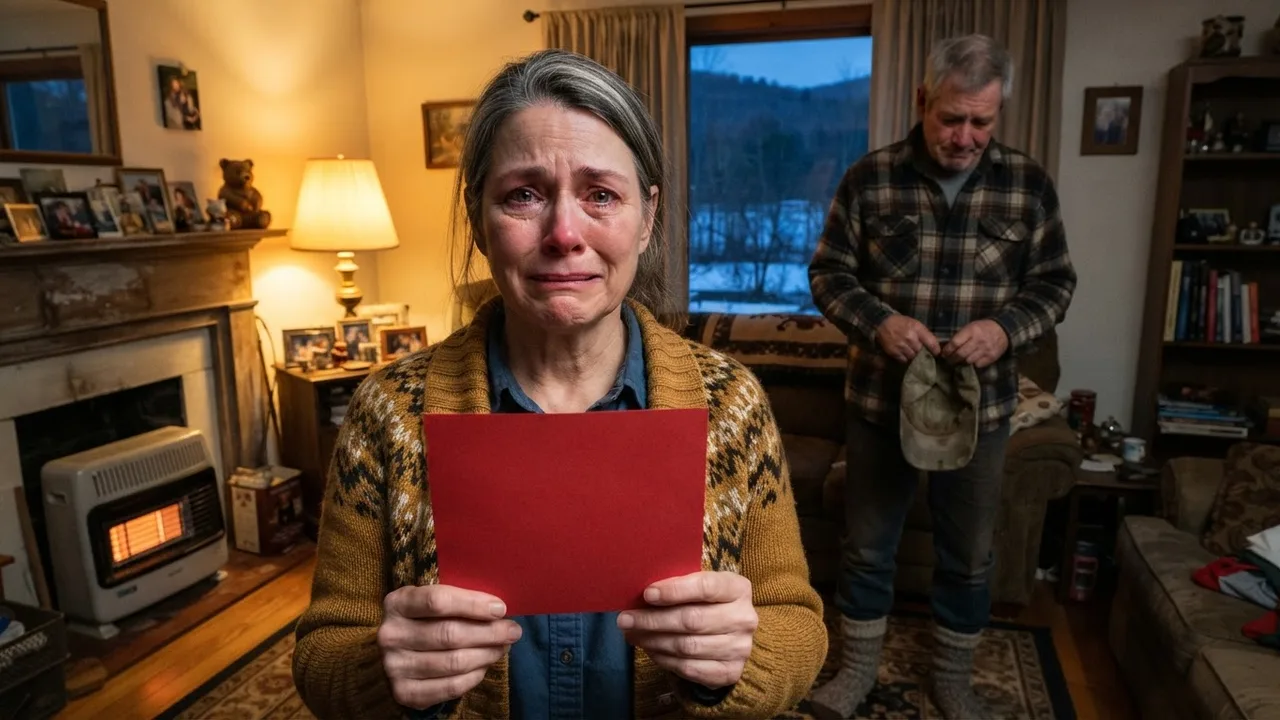
The bill came tucked inside Dee's Christmas card: I owed the Elk Draw Road Association $8,400 by January 15, and the minutes folded behind it said I had voted yes.
I read it standing at my kitchen counter in my driving coat. I had been home from Billings one night. I had $3,400 in savings, a month of unpaid leave behind me, and a covenant that turned any unpaid share into a lien on my house.
I had never voted. I had meant to vote no.
Dee had brought the card up the road that morning with a loaf of banana bread, hugged me hard, and told me to open it after I'd eaten. She had kept my cat fat and my furnace running and my mail in a tidy stack for the whole month. I stood there with the card and the bread and counted the numbers out loud, the way I do when I'm frightened. Eighty-four hundred. Thirty-four hundred. They would not come out.
Dee had only carried the paper. The proxy itself lived in Hank Otterbein's garage, so I went down there on Wednesday.
Hank's heated garage sits at the foot of the road by the county road, and he was inside with the space heater ticking and a pencil behind his ear. He didn't ask what I wanted. He took a folder off the bench and laid a sheet in front of me.
"Your proxy, Gail. Yes vote, signed and counted. Four to three."
My name sat on the signature line in blue ink, with a G I would never make. Mine stays open at the top. This one had its loop closed.
"That is not my hand," I said.
"Well." Hank scratched under his cap. "Vote stands. Deposit's paid, five thousand out of the reserve to hold a May start. Sounds to me like you've had second thoughts, and a person can't take back a vote because the number scared her."
"Hank, I never signed anything."
He didn't argue. He reached for the minutes book, a green ledger with a cracked spine, and turned it toward me. "Two winters back the Teskes were in Arizona. I wrote their proxy out myself from a phone call. See here? They signed it themselves the day they got home, and I put that in the record. That's the rule. Owner signs."
"Then I'll sign mine now. As a no."
"Can't unring it." He closed the book gently. "I'd hoped you were a woman who keeps her word."
I walked back out into the snow with my arms folded tight across my fleece vest. I had been on Elk Draw Road twenty years, and in one conversation the president of it had decided I was a woman who backed out.
Five days later, on a Monday, Brynn Sauer caught me at the mailboxes. She had scrubs under her puffy coat and a travel mug in her fist, and she looked like she was already late for something.
"You're the one who's fighting the assessment."
"I'm fighting a signature I didn't write."
"Hank had me fetch the proxies out of the association box the night before the meeting. He was stuck at the feed store in Livingston. I took the spare key from under his porch mat, and I left the envelopes on his bench." She took a swallow from the mug. "Your name was right there on one. I saw it."
"Brynn, it's not mine."
"I drive that grade at five in the morning for my shifts. Back out now and it ices over. People up here keep their word." She stepped around me to her truck.
She had waved to me every morning for three years. She did not wave that week, or the next time I saw her. I lay awake that night with the quilt up to my chin and did the sums again. Thirty-four hundred against eighty-four hundred. I could sell my mother's cedar chest. I could take a loan. None of it came out, and the cat sat on my feet and watched me count.
The following Sunday I went down to Dee's.
She had soup on, because Dee answers every question with food. I asked her plainly whether I had said anything about the road vote before I left. She set the ladle down and patted my hand where it lay on the table.
"Honey, you signed it. At your own table, on the chili night. You were worn to a thread, you could hardly hold the pen. It's no wonder you've lost it."
"I don't remember that."
"Well, now, of course you don't. Eat something."
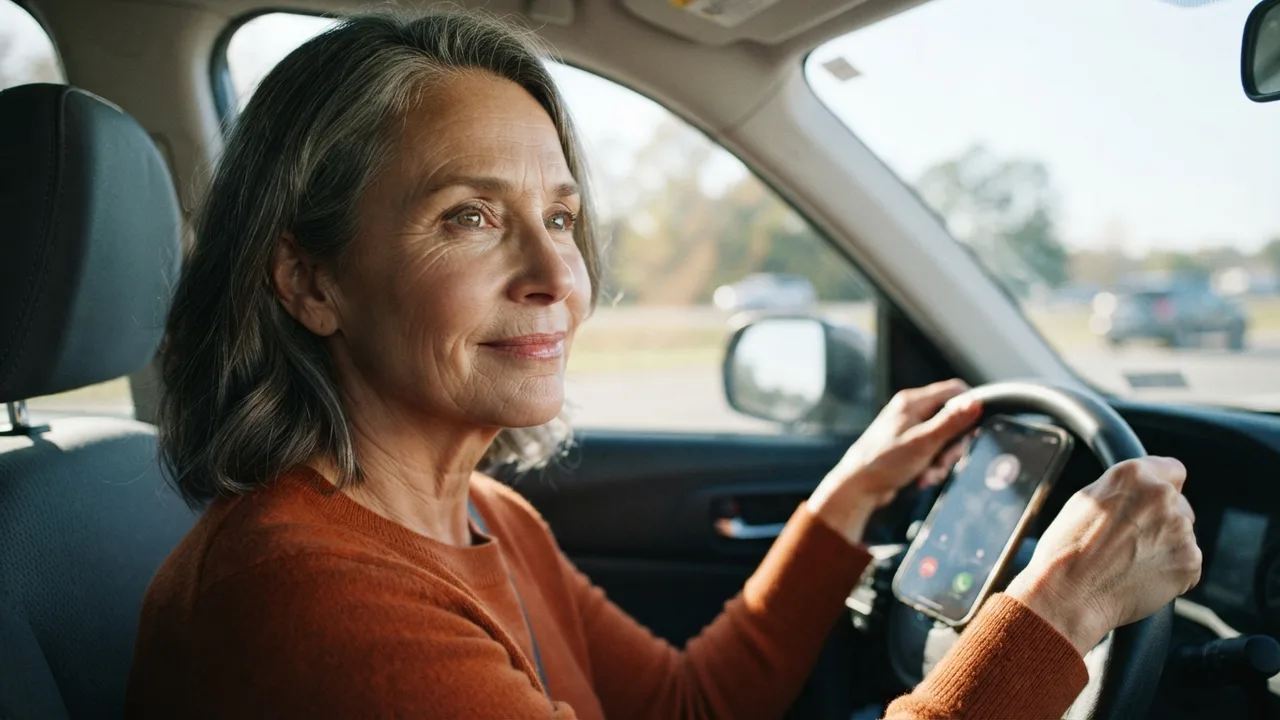
That evening Hank phoned. I was drying a pot, and I took the phone with my shoulder.
"Dee tells me you just forgot, Gail. No shame in it, with your mother and all. But I'd ask you not to make a scene at the potluck."
"Hank Otterbein, I have run the payroll for this school district for nineteen years. I do not forget my own name."
"I'm only asking," he said, and hung up.
The president of the road now believed I could not remember signing a paper. I stood in the kitchen with the dish towel in my fist and understood how a thing like that travels.
On Monday I did what I do with any mess. I opened the kitchen drawer where every piece of mail I own is filed by date.
The notice from October 29 was there, with the $7,900 figure and the blank proxy folded behind it. The proxy was still blank. I had never touched it. Then I laid Dee's card beside it and took out the revised notice she had tucked in. At the bottom of that page, in small type, it read *Revised 11/6/25*.
I had seen that same line at the bottom of the form in Hank's garage. I'd been looking at the loop on the G and had not read it.
The notice I had taken to Billings in my head, the one I'd meant to vote no on, was the $7,900 one. The $8,400 form did not exist until the sixth of November. Dee said I signed at the chili night, the first. I had left for Billings the next morning, and the paper I supposedly signed was not printed until five days after that supper.
Only one person had told me when I signed it. Only one person had told Hank.
On Wednesday I went to Dee's kitchen with my folder. A plate of Christmas fudge sat in the middle of the table, pecan on top.
"Sit, honey," Dee said. "Have a piece."
"Deloris, tell me once more when I signed."
She laughed before she got to the end of it. "The chili night. The first of November. At your table, you'd just—"
I laid the blank $7,900 proxy on the table, and beside it the revised notice with the footer turned to face her. I put my finger on the line.
"This form was printed on the sixth. I was in Billings. I never signed it, at my table or anywhere else."
Dee did not say anything. She looked at the two papers. Then she set her cup down so carefully that it made no sound on the saucer.
I said the rest. I said Hank thought I was slipping. I said Brynn would not wave to me. I said I had lain awake two weeks counting $3,400 against $8,400, and that my best friend had told the whole road I could not remember my own signature.
"You told me to," Dee said.
"I did not."
"You said do whatever I thought was right. On the phone, the twelfth. You said all of it, Gail." Her bifocals had slid down from her white hair and she pushed them back up with a shaking hand. "I thought that meant the vote."
"I meant the mail and the cat and the furnace."
"I found you walking home in the dark last February." Her voice cracked. "Your coat open, and your car in the ditch on that grade. I have not driven it since without my hands cold. I couldn't stand another winter of it."
"So you signed my name."
"I'll pay part of your share. A thousand, more, whatever you need, if you let the vote stand." She leaned toward me. "I can't tell Hank. I've been secretary sixteen years. If I say I signed for you I'm finished, and the grade stays ice."
I looked at the fudge, and at her small, quick hands twisting a napkin.
"No, Deloris," I said. I picked up my papers and left the plate where it was.
On Friday I drove to the farm of the man who plows the county school-bus route. I know him from the payroll, because he has been paid through the district for years.
"I want the grade on Elk Draw sanded after every snow until April."
He looked at his sand pile, then at me. "That's a lot of mornings."
"What will it cost?"
"Nineteen hundred, if you pay now."
I wrote the check at his tailgate. It was most of what I had left, and my hand did not shake until I was back in the truck.
Hank's garage had been swept for the potluck on Saturday. A tabletop tree blinked on the workbench, a ham sat on a card table beside someone's scalloped potatoes, and folding chairs ran in rows down toward the overhead door. Hank's wife was cutting bread. The Teskes sat near the heater with paper plates on their knees. Dee sat by herself near the back with her red parka zipped to her chin, and Brynn stood by the coffee urn holding her travel mug.
Hank sat at the bench with the green minutes book open and the pencil in his hand. He worked through old business, the mailbox post, the plow bill, and then he said, "New business."
I stood up. I folded my arms, and then I unfolded them.
"The proxy with my name on it is not mine. I never signed it. I'm not going to say who did, because the person who did is in this room, and I would rather she said it herself."
Brynn glanced at Hank. Hank glanced at Brynn. Each of them knew whose hands those papers had passed through, and neither said so.
"Yesterday I paid the plow man $1,900 of my own savings. He'll sand the grade after every snow until April." I let it sit. Then I looked at the back of the room. "I put a car in the ditch on that grade last February and walked home in the dark. I have been afraid of it ever since. This is what I could afford."
"Sanding isn't chip seal," Brynn said.
"No. But it's paid for."
Nobody spoke. The heater ticked. A chair scraped at the back, and Dee stood up with her bifocals in her hand.
"I signed Gail's name," she said.
Hank's wife put down the bread knife.
"She told me to do what I thought was right, and I decided that meant this. It was never mine to decide." Dee's chin shook, and she lifted it. "I have kept these minutes sixteen years, Hank. I'm asking you to find somebody else. I would rather lose the job than have this road think Gail forgets her own hand."
Hank sat a long moment. Then he opened to the bylaws in the back of the book.
"Article Six, section three. A proxy must bear the signature of the owner." He took the pencil from behind his ear and drew a line through the entry, slow and straight. "November vote stands at three to three. Four lots required. The assessment fails." He looked up at me. "I counted your name without checking it, Gail. That's mine to carry. I'll ask the contractor to put the deposit toward the culvert come spring."
Brynn set her mug down, picked up her casserole dish from the table, and walked out through the side door. She did not look at anyone. A cold gust came in behind her and the tree lights shivered.
Mrs. Teske held out the platter. "Ham, Gail?" I took two slices, because my hands needed something to do.
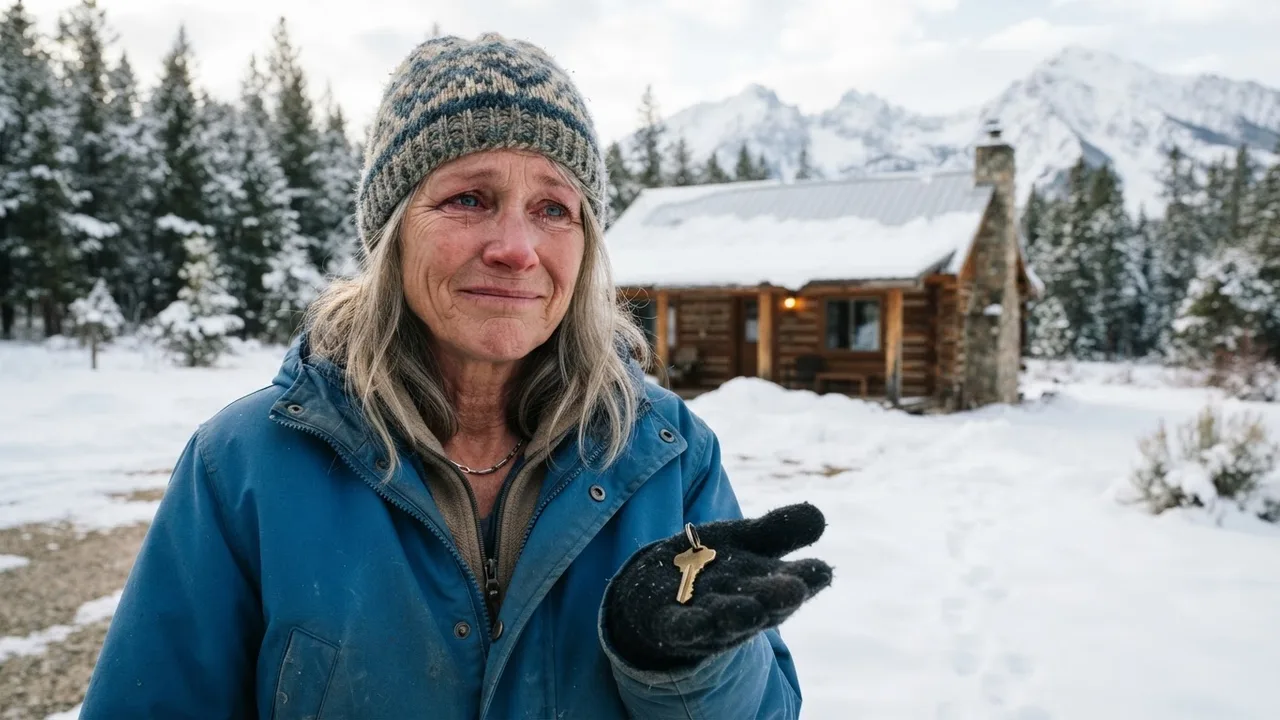
When I went to get my coat from the folding chair, Dee was already there. She took something out of her parka pocket and pressed it into my palm. It was the brass spare key to my front door, warm from her pocket.
"You'll want this back," she said.
I closed my fingers over it. "Yes," I said. "I do."
She nodded once and went to find her boots.
On Christmas Eve I walked down the road with my own card in my glove. The plow man had sanded after the Sunday snow, and the grade crunched under my boots, coarse and brown on the white. I passed Brynn's dark windows without looking.
At Dee's porch the light was on and the cat's old food dish sat by the step, the one she kept for the barn cats. I could hear her radio inside. I stood a minute with my breath going up.
The card had my name on it, signed in my own open-topped G, and nothing folded inside it. I wedged it into the frame of her storm door, and I did not knock.
I walked back up the sanded grade with the spare key heavy in my coat pocket.
Comments